

Some days call for a meal that feels calm, warm, and familiar. That’s where soup shines. A good bowl of soup can slow things down, warm your hands, and make dinner feel comforting without extra work. You don’t need rare ingredients or long simmer times. With a few basics and smart steps, simple soups can feel deeply satisfying.

This guide shows how to make easy soups that feel like a cozy hug, even on busy days.
Start With a Simple, Trusty Base
Every comforting soup starts with a solid base. This is where flavor begins, even before anything else goes in the pot.
Most soups begin with:
- Oil or butter
- Onion
- Garlic
Heat the pot first. Add oil or butter. Then add chopped onion with a pinch of salt. Let it soften slowly. This step builds warmth and depth.
Garlic goes in last. Stir for about 30 seconds. When it smells fragrant, you’re ready for the next step.
From here, you can keep things simple:
- Vegetable broth
- Chicken broth
- Water with a stock cube
Homemade broth is nice, but store-bought works just fine. The goal is comfort, not perfection.
Use Everyday Vegetables You Already Have
Comforting soups don’t rely on fancy produce. The best ones often come from what’s already in your fridge.
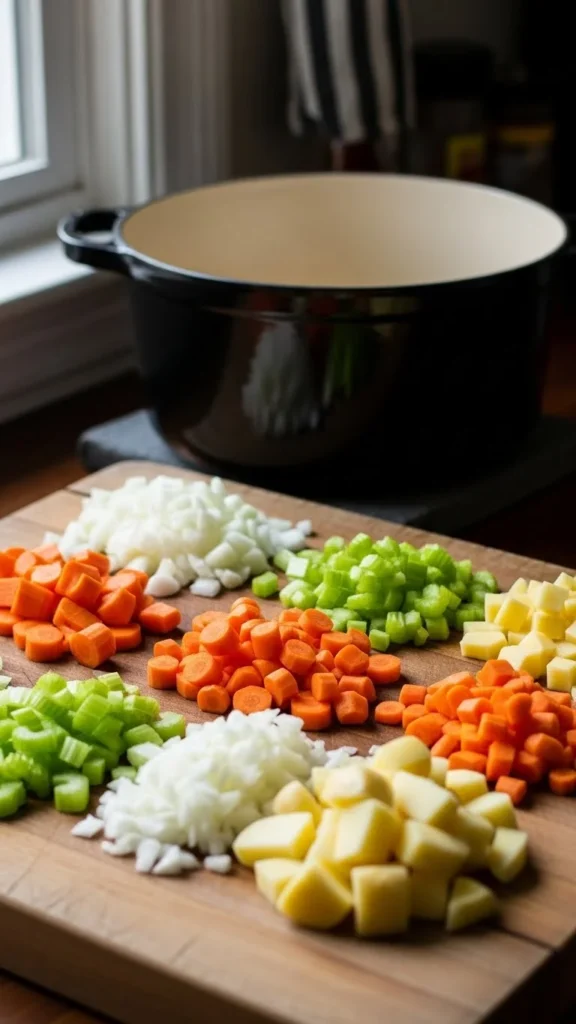
Great soup vegetables include:
- Carrots
- Potatoes
- Celery
- Cabbage
- Zucchini
Chop them into similar sizes so they cook evenly. Add harder vegetables first, softer ones later.
Frozen vegetables work too. They save time and still bring warmth and texture to soups.
A small tip: roast vegetables in the oven before adding them to soup when you have extra time. This adds deeper flavor with minimal effort.
Choose One Comfort Flavor Direction
Soup feels cozy when flavors stay simple and familiar. Pick one direction and stick with it.
Some easy comfort paths:
- Creamy and mild: potatoes, carrots, milk or cream
- Herby and light: thyme, parsley, bay leaf
- Hearty and filling: beans, lentils, pasta
Avoid adding too many spices. One or two herbs go a long way.
Salt gradually. Taste often. Soup flavors grow stronger as they cook.
If the soup tastes flat, a small squeeze of lemon or splash of vinegar at the end can wake it up without changing the cozy feel.
Let the Soup Simmer Gently
Soup doesn’t like rushing. Gentle heat brings everything together.
Once the broth and vegetables are in:
- Bring to a light boil
- Lower to a steady simmer
- Cover loosely
Most simple soups need 20–30 minutes. Vegetables should be soft, not falling apart.

During simmering:
- Stir once in a while
- Taste and adjust salt
- Add water if it thickens too much
This is a good time to relax. Soup rewards patience.
Add Creaminess Without Complication
Creamy soups feel extra comforting, but you don’t need heavy cream.
Easy ways to add body:
- Mashed potatoes stirred in
- Blended beans
- A splash of milk or coconut milk
For blended soups, remove some liquid before blending. Add it back slowly to control thickness.
An immersion blender makes this easy, but a regular blender works too. Blend in batches and be careful with hot liquid.
Creaminess should feel soft, not heavy.
Finish With Simple Comfort Touches
The final touches turn a basic soup into something special.
Try:
- A drizzle of olive oil
- Cracked black pepper
- Fresh herbs on top
- Toasted bread or croutons

These small additions add texture and warmth without extra work.
Make Soup Part of Your Weekly Routine
Soup fits easily into everyday life.
Why it works:
- Affordable ingredients
- One-pot cooking
- Easy leftovers
Soups often taste better the next day. Store them in containers for quick lunches or dinners.
You can freeze most soups too. Skip cream if freezing, then add it later when reheating.
Simple soups don’t try to impress. They aim to comfort, warm, and nourish. With a few basic ingredients and gentle cooking, you can make meals that feel like a cozy hug in a bowl.
Save this recipe idea for later, and let soup be your go-to comfort whenever you need it. 🍲

Leave a Reply