

Dry baked chicken is one of the most common kitchen disappointments. You follow the recipe, set the timer, and still end up with meat that feels tough and bland. The good news is this isn’t a chicken problem. It’s a method problem. With a few simple adjustments, baked chicken can come out tender, juicy, and full of flavor every single time.
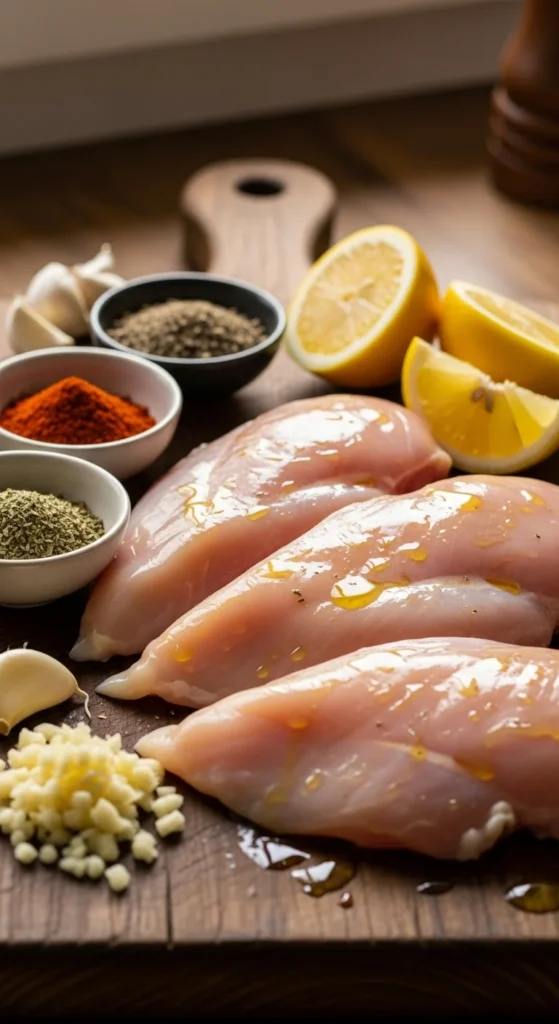
This guide walks you through the exact steps that make baked chicken reliable, even on busy weeknights.
Start With the Right Cut of Chicken
Not all chicken bakes the same way. Choosing the right cut makes a huge difference before you even turn on the oven.
Here’s what works best:
- Chicken thighs stay juicy because of their natural fat.
- Chicken breasts can be tender too, but they need more care.
- Bone-in pieces cook more evenly than boneless ones.
If you’re using breasts, aim for pieces that are similar in size. Uneven thickness causes one side to dry out before the other finishes cooking.
Pound or Trim for Even Thickness
One thick end and one thin end is a recipe for dry chicken. Fix that before baking.
You can:
- Gently pound the thicker side to even it out.
- Slice very thick breasts in half horizontally.
- Trim uneven edges that cook too fast.
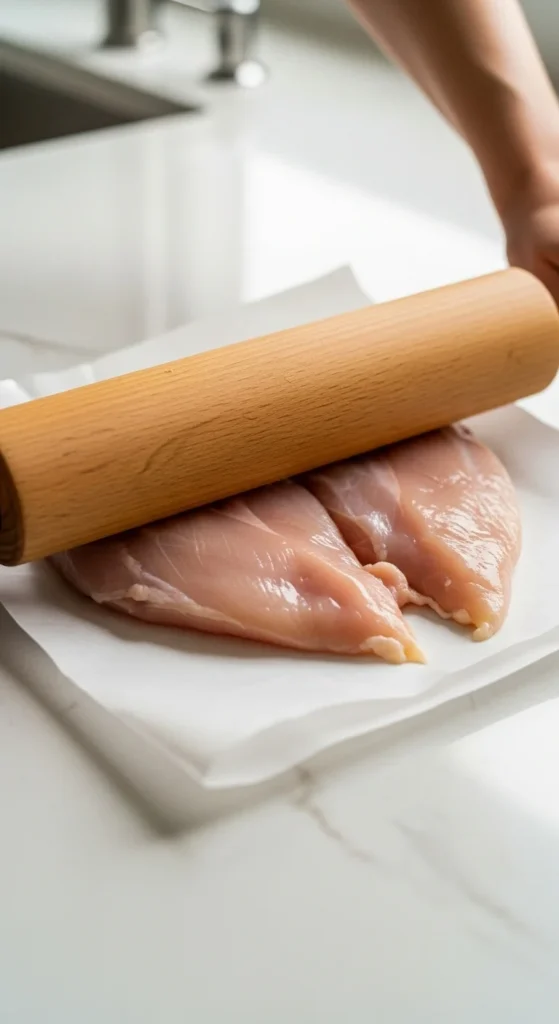
This step takes less than two minutes and helps the chicken cook evenly from edge to center.
Season Generously, Not Lightly
Bland chicken often comes from under-seasoning. Salt plays a big role in flavor and moisture.
Simple seasoning combo:
- Salt
- Pepper
- Olive oil
- Garlic powder or minced garlic
You can add herbs or spices you like, but don’t skip salt. It helps the chicken hold onto moisture as it bakes.
Rub the seasoning all over the chicken, not just on top.
Use a Baking Dish That Fits the Chicken
Crowding or overspreading affects how chicken cooks.
Follow this rule:
- Chicken pieces should sit close, but not stacked.
- Too much space causes moisture to evaporate too fast.
- Too little space causes steaming instead of baking.
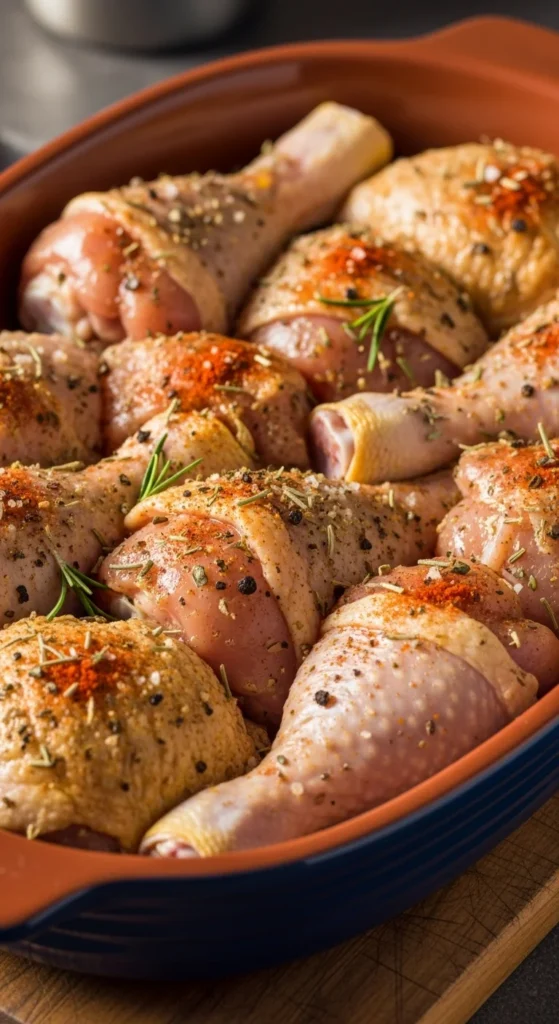
A snug fit helps the chicken stay moist during baking.
Bake at the Right Temperature
Low heat dries chicken out slowly. High heat cooks it faster and locks in juices.
Best temperature range:
- 400°F (200°C)
This allows the chicken to cook through without spending too much time in the oven.
Approximate bake times:
- Thin breasts: 18–22 minutes
- Thick breasts: 22–28 minutes
- Thighs: 30–35 minutes
Always use time as a guide, not a rule.
Don’t Overcook Past Safe Temperature
Chicken dries out quickly once it goes past done.
What to aim for:
- Internal temperature of 165°F (74°C)
If you don’t have a thermometer:
- The juices should run clear.
- The meat should feel firm but still springy.
Pull the chicken out as soon as it’s done. Extra minutes matter more than you think.
Let the Chicken Rest Before Cutting
This step is easy to skip, but it matters.
After baking:
- Let the chicken rest for 5 minutes.
- Keep it loosely covered with foil.
- This lets juices redistribute inside the meat.
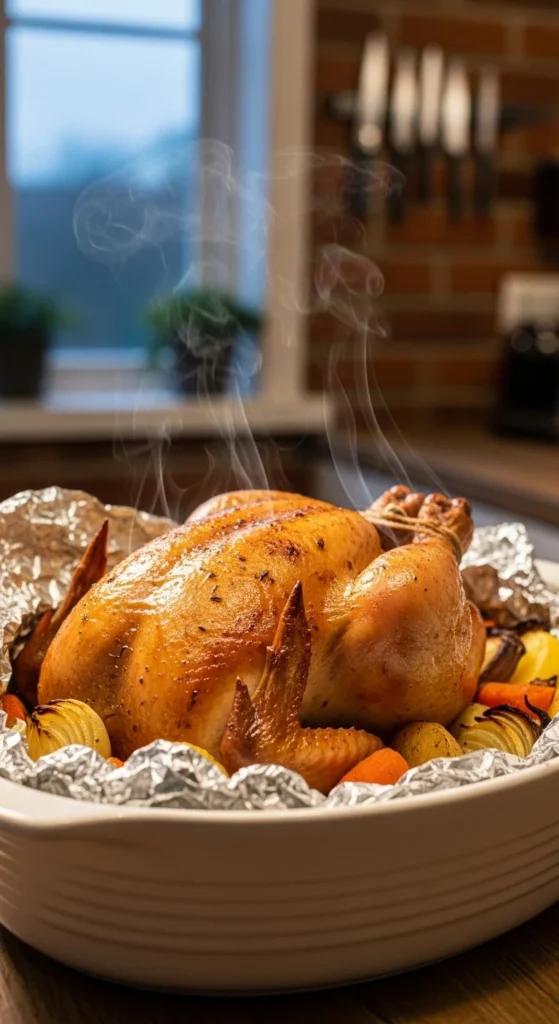
Cutting too early lets those juices spill out onto the plate instead of staying inside the chicken.
Add Moisture With Simple Finishing Touches
A small finishing step can take baked chicken from good to great.
Try:
- A squeeze of lemon juice
- A drizzle of pan juices
- A spoon of yogurt or butter sauce
These add moisture and flavor without much effort.
Store and Reheat Without Drying It Out
Leftover baked chicken can stay tender if reheated properly.
Best methods:
- Reheat covered in the oven with a splash of water.
- Warm gently in a pan with a lid.
- Avoid reheating uncovered in the microwave.
Moist heat keeps the chicken from drying out again.
Final Takeaway
Tender baked chicken isn’t about complicated tricks. It’s about even thickness, proper seasoning, the right oven temperature, and pulling it out on time. Once you follow these basics, baked chicken becomes one of the easiest and most reliable meals you can make.
Save this recipe for later, and the next time chicken is on the menu, you’ll know exactly how to keep it juicy.

Leave a Reply