

Wraps are one of those meals that feel simple but never boring. You can make them fast, customize them for anyone at the table, and turn leftovers into something exciting. Whether you’re packing lunch, making a quick dinner, or setting up a casual meal for friends, wraps always work. The trick is knowing how to build them so they taste good from the first bite to the last.
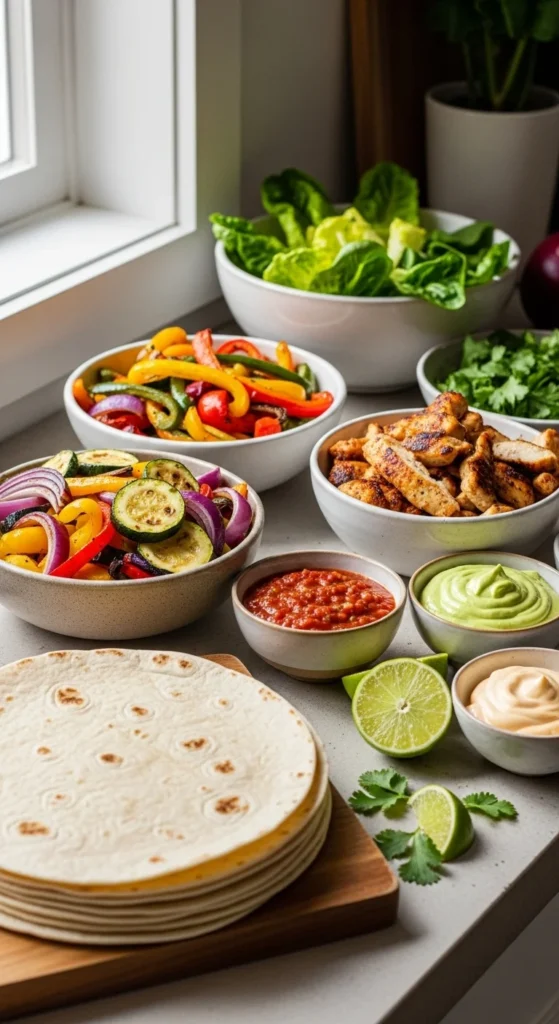
Once you understand a few basics, wraps become one of the easiest meals you’ll make all week.
Start With the Right Wrap Base
The wrap itself matters more than people think. It holds everything together and adds texture.
Popular wrap options:
- Flour tortillas for flexibility
- Whole wheat wraps for a heartier bite
- Lettuce leaves for a lighter option
- Flatbreads or lavash for something different
Warm your wrap briefly before filling. Ten seconds in a pan or microwave makes it softer and easier to roll without tearing.
Choose a size that matches your filling amount. Overstuffing makes wraps hard to close and messy to eat.
Build Flavor With a Simple Spread
A good spread acts like glue and flavor in one step. It keeps fillings in place and adds moisture.
Easy spread ideas:
- Hummus
- Yogurt mixed with lemon and salt
- Cream cheese with herbs
- Mashed avocado
- Simple mayo with spices
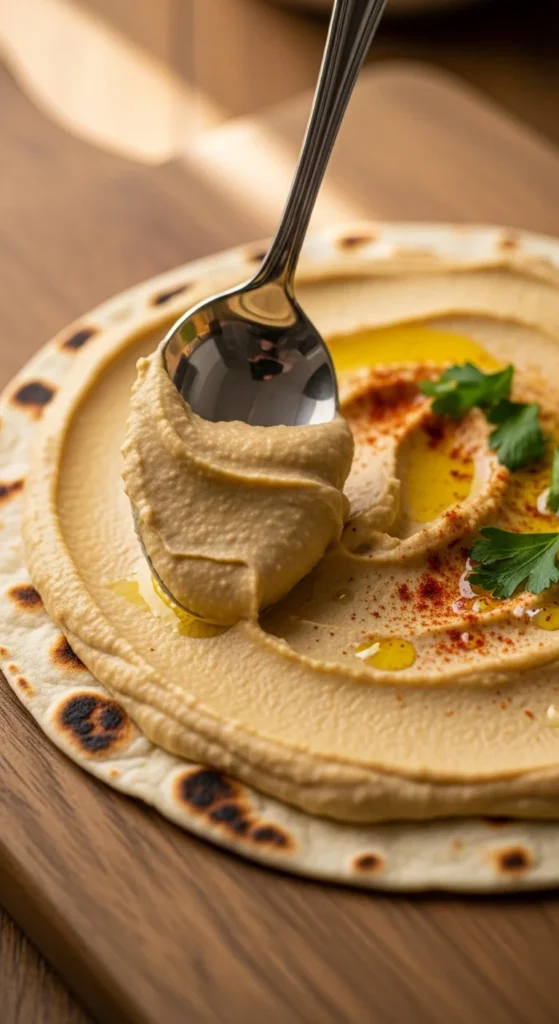
Spread a thin layer across most of the wrap, leaving a small border at the edges. Too much spread makes wraps soggy.
Choose a Main Filling That Works Hot or Cold
The main filling gives your wrap structure and makes it satisfying.
Great options include:
- Grilled or roasted chicken
- Canned tuna or chickpeas
- Scrambled eggs
- Leftover roasted vegetables
- Pan-seared tofu
Cut everything into bite-sized pieces. Long strips or chunks make wraps hard to roll and uneven to eat.
If your filling is warm, let it cool slightly before assembling. This helps keep the wrap from tearing or getting wet.
Add Crunch and Color
Crunch is what keeps wraps interesting. Soft fillings alone can feel flat.
Crunchy additions:
- Shredded cabbage or lettuce
- Thinly sliced bell peppers
- Grated carrots
- Cucumber slices
- Pickled onions
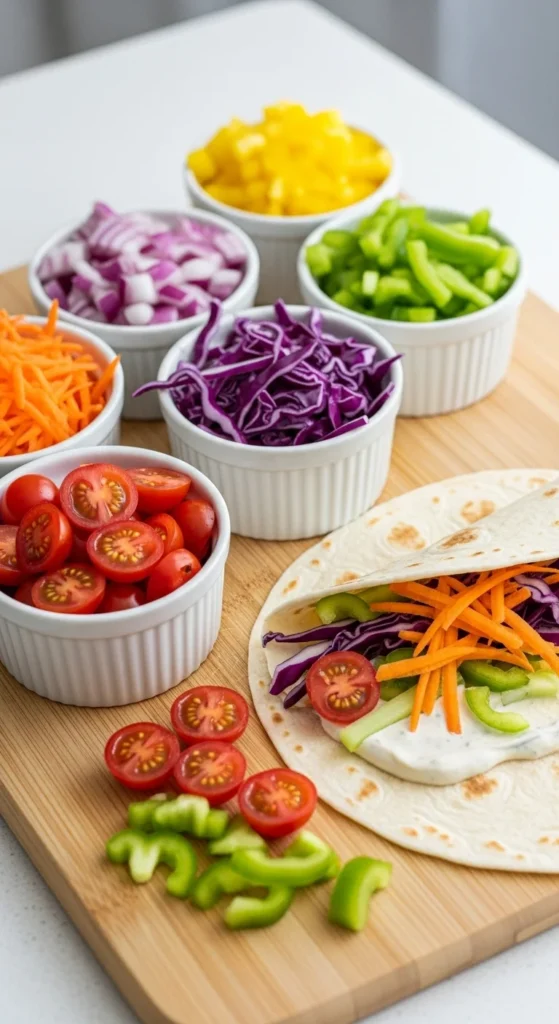
Aim for contrast. Soft fillings pair best with crisp vegetables. Mild flavors work well with something tangy or sharp.
Layer Ingredients the Smart Way
How you layer matters. Start building in the center and keep everything compact.
A simple order:
- Spread
- Main filling
- Crunchy vegetables
- Extra toppings
Avoid stacking everything straight across. Instead, place fillings slightly off-center in a neat line.
This makes rolling easier and keeps ingredients from falling out.
Roll and Wrap Like a Pro
Rolling a wrap is easier than it looks.
Follow these steps:
- Fold the bottom edge over the filling.
- Tuck it in tightly.
- Fold in the sides.
- Roll forward until sealed.
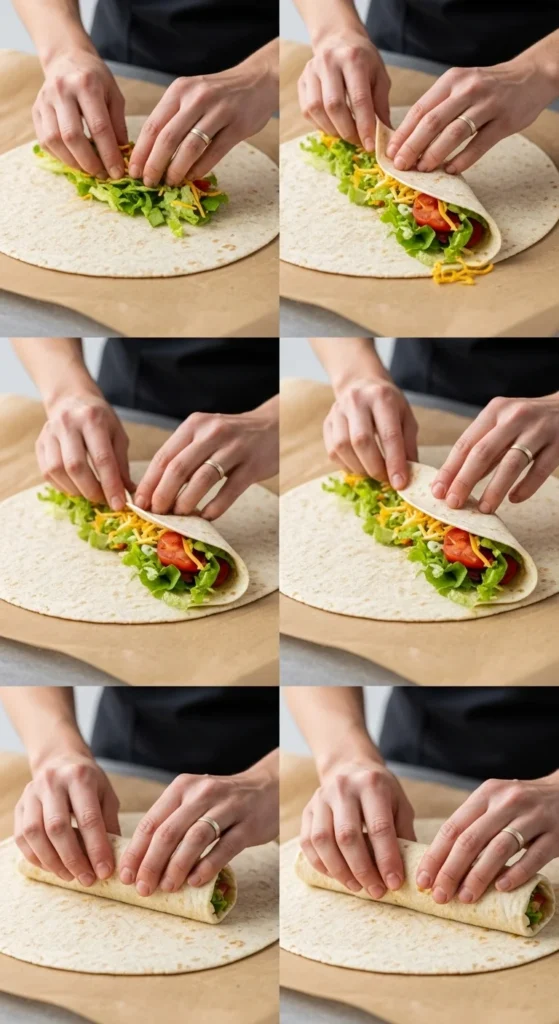
If needed, wrap the bottom half in parchment or foil. This keeps it together and makes it easier to eat on the go.
Creative Filling Combinations to Try
Once you know the method, you can mix flavors freely.
Easy ideas:
- Chicken, lettuce, tomato, and garlic yogurt
- Roasted veggies, hummus, and pickled onions
- Tuna, cucumber, and lemon mayo
- Scrambled eggs, spinach, and cheese
- Chickpeas, cabbage, and simple dressing
Think in categories rather than recipes. One protein, one spread, one crunch, one extra.
Make Wraps Ahead Without Getting Soggy
Wraps can be made ahead with a few smart choices.
Tips:
- Keep wet ingredients separate until serving.
- Use sturdy greens instead of delicate lettuce.
- Wrap tightly in parchment paper.
If packing for later, store cold and eat within 24 hours for best texture.
Final Takeaway
Easy wraps are all about balance and creativity. With the right base, a flavorful spread, and a mix of textures, you can turn simple ingredients into meals that never feel repetitive. Once you get comfortable building them, wraps become a reliable go-to for busy days and relaxed meals.
Save this guide for later and start mixing your own wrap combinations today.

Leave a Reply