

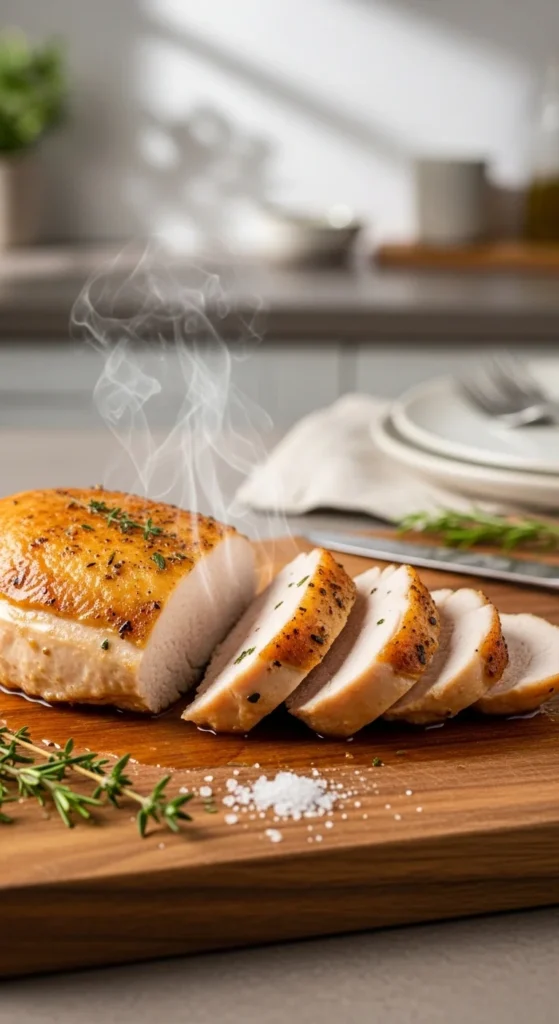
Chicken breast gets a bad reputation for being dry, chewy, or plain boring—but it doesn’t have to be that way. With the right prep and cooking approach, chicken breast can turn out tender, juicy, and full of flavor every single time. This guide walks you through simple, reliable methods that work for busy weeknights and meal prep alike.
—
Why Chicken Breast Often Turns Dry
Chicken breast is lean, which means there’s very little margin for error. Overcooking even by a few minutes pulls moisture out fast.
Common mistakes include:
– Cooking straight from the fridge
– Skipping seasoning or moisture
– Using heat that’s too high for too long
– Cutting into it too soon after cooking
The good news? Each of these problems has an easy fix.
—
Start With the Right Prep
Great chicken starts before it hits the pan.
What to Do First
– **Bring it closer to room temperature**: Let chicken sit out for 10–15 minutes.
– **Pat it dry**: This helps with even cooking and browning.
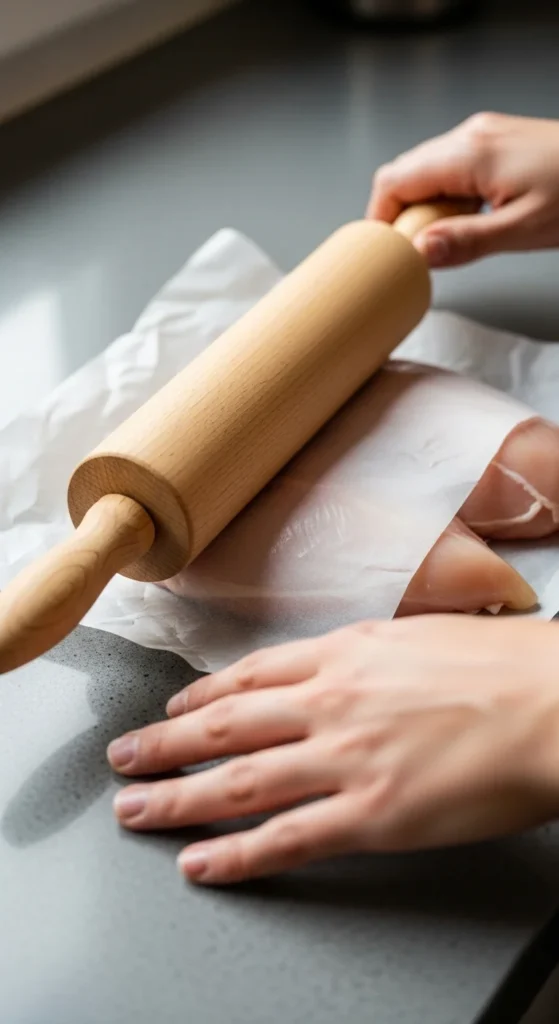
– **Even out thickness**: Pound gently or slice horizontally so it cooks evenly.
Simple Seasoning That Works
You don’t need anything fancy:
– Salt
– Black pepper
– Olive oil
Add garlic powder, paprika, or dried herbs if you like—but salt is non-negotiable.
—
The Pan-Seared Method (Most Reliable)
This is the go-to method for juicy chicken with great color.
Step-by-Step
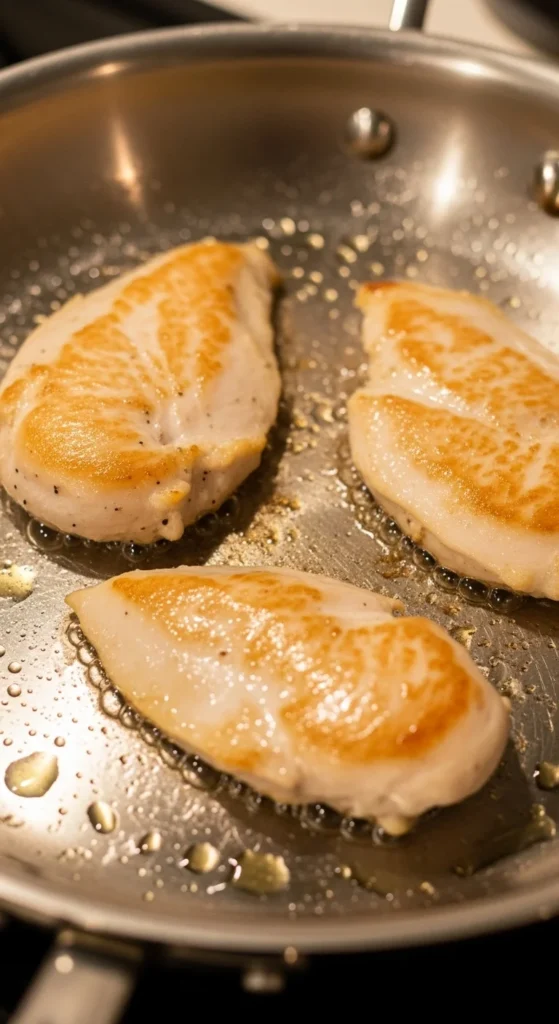
1. Heat a skillet over medium heat with a little oil.
2. Add chicken and let it cook without moving for 5–6 minutes.
3. Flip once, lower heat slightly, and cook another 5–7 minutes.
4. Remove from heat and rest.
Key Tips
– Don’t flip repeatedly. One flip is enough.
– Lower heat after flipping to finish gently.
– If the pan smokes heavily, heat is too high.
—
Oven-Baked Chicken That Stays Moist
Baking works beautifully when done right.
How to Bake It
– Preheat oven to 425°F (220°C).
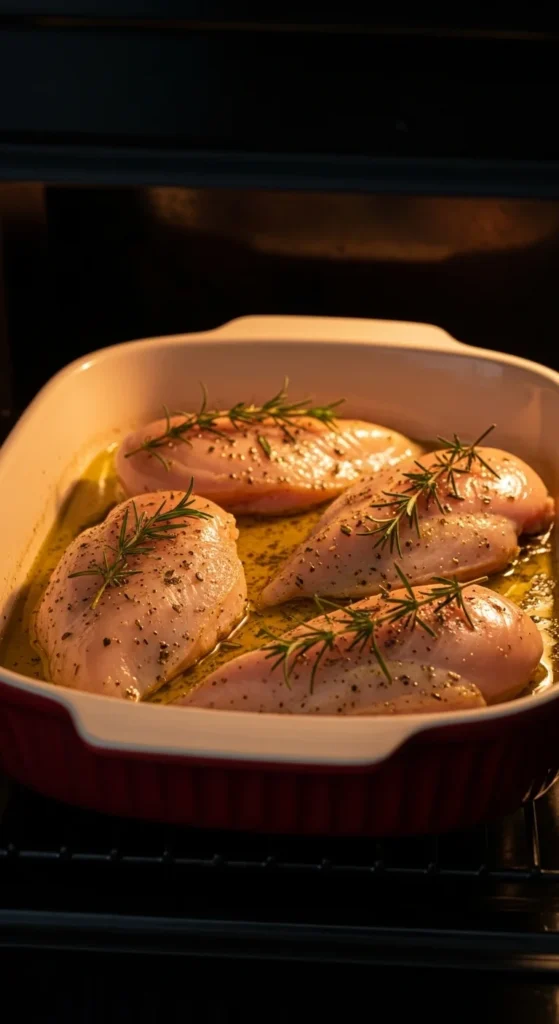
– Place seasoned chicken in a baking dish.
– Bake uncovered for 18–22 minutes, depending on thickness.
– Rest before slicing.
Why This Works
High heat cooks quickly, so the meat doesn’t dry out. Resting afterward keeps juices where they belong.
—
Use a Thermometer (It Changes Everything)
Guessing leads to overcooking. A thermometer removes the stress.
– Target internal temperature: **165°F (74°C)**
– Pull chicken at **160°F** and let carryover heat finish it
– Insert thermometer into the thickest part
This one habit alone fixes most dry chicken problems.
—
Don’t Skip the Resting Time
Cutting chicken too soon lets juices spill out onto the plate instead of staying in the meat.
Resting Rules
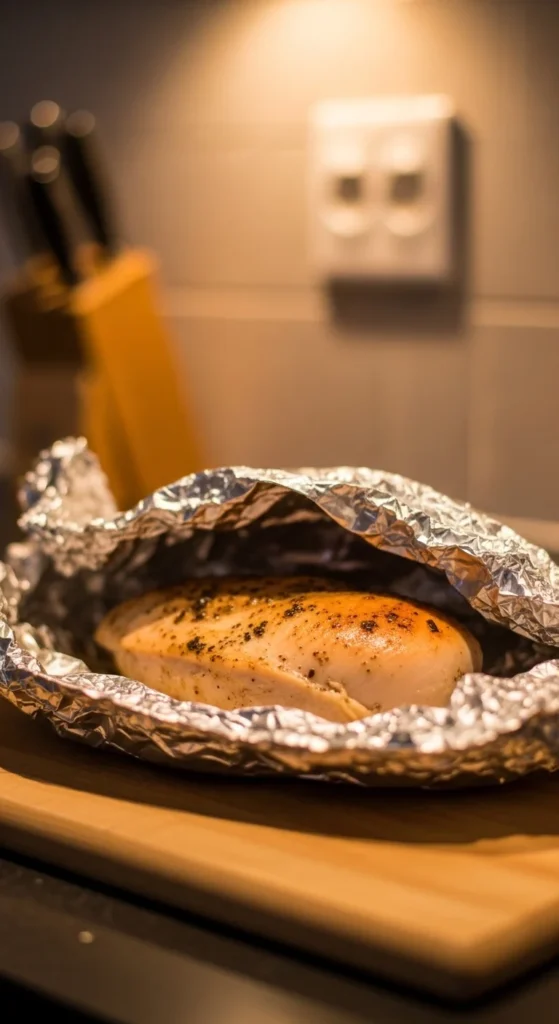
– Rest 5–8 minutes after cooking
– Tent loosely with foil
– Slice against the grain for tenderness
—
Easy Moisture Tricks That Actually Work
If you want extra insurance, try one of these:
– **Light brine**: Soak chicken in salted water for 15–30 minutes
– **Butter baste**: Add a small knob of butter during the last minute in the pan
– **Cover briefly**: When baking, loosely cover for half the cooking time
Each method adds moisture without extra effort.
—
Flavor Ideas Without Overcomplicating Things
Once you master juicy texture, flavor is easy.
Quick add-ons:
– Lemon juice after cooking
– Pan sauce made with broth and garlic
– Yogurt or sour cream spooned on top
– Simple spice rubs
These work with pan-seared or baked chicken.
—
Common Questions Answered
**Can I cook chicken breast from frozen?**
Yes, but it’s harder to control moisture. Thawing gives better results.
**Should I marinate?**
Optional. Even 20 minutes helps, but seasoning and proper cooking matter more.
**Is grilling okay?**
Yes—use medium heat and pull early. Grill marks don’t equal doneness.
—
Final Takeaway
Juicy chicken breast isn’t about complicated tricks—it’s about timing, heat control, and a little patience. Once you follow these steps, dry chicken becomes a thing of the past.

Leave a Reply