

There’s nothing quite like cutting into a warm slice of cornbread and watching the butter melt instantly into every golden crumb. Moist, tender, and rich with buttery flavor—that’s the cornbread everyone wants, but not everyone knows how to achieve. The good news? With the right ingredients and a few foolproof tricks, you can make cornbread so soft and moist it practically melts in your mouth every single time.
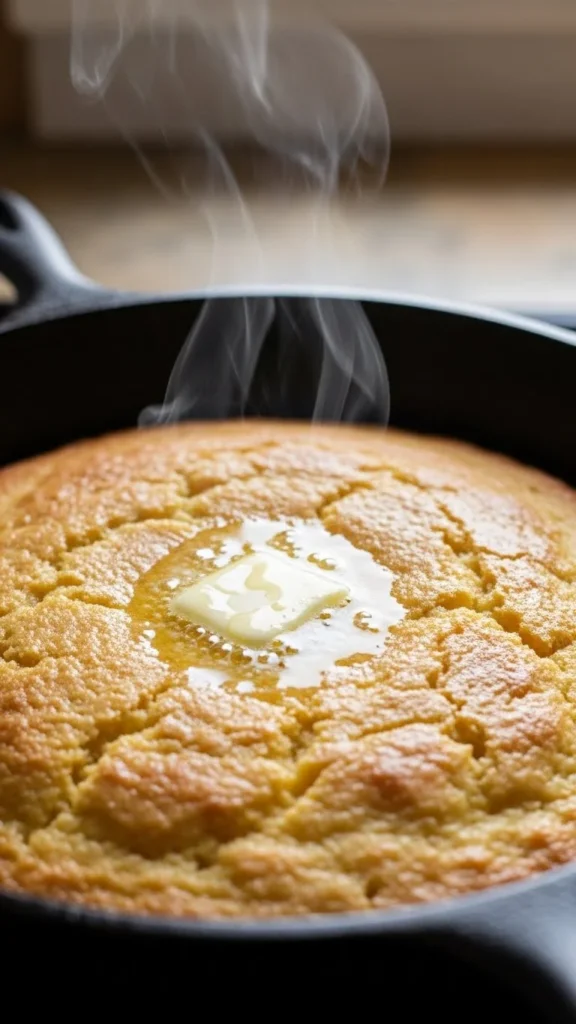
Whether you prefer your cornbread sweet, savory, or somewhere in between, these techniques will ensure it turns out bakery-perfect—never crumbly, dry, or dense.
Choose the Ingredients That Guarantee Moisture
Moist, buttery cornbread starts with a well-balanced ingredient list. Each component plays a role in tenderness, flavor, and structure.
1. Use the Right Cornmeal
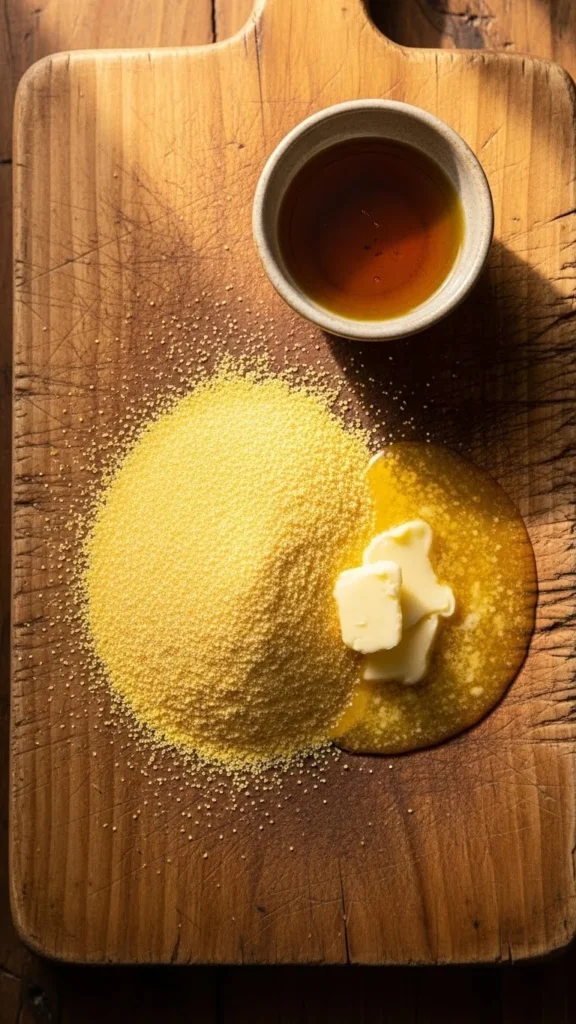
Not all cornmeal behaves the same. For a tender crumb:
- Choose fine or medium-grind cornmeal
- Avoid coarse grind—it creates a gritty texture
- Stone-ground cornmeal adds great flavor, but mix it with all-purpose flour for softness
2. Add Enough Fat to Keep It Tender
Butter brings flavor, but oil brings moisture. The best cornbread uses a combination of both:
- Melted butter = rich, classic cornbread taste
- Neutral oil (like vegetable or canola) = keeps the crumb soft for hours
This combo ensures your cornbread stays moist even after cooling.
3. Don’t Skip the Dairy
To avoid dryness, your batter needs moisture-rich dairy. Great options include:
- Buttermilk (the best choice for tang + softness)
- Whole milk
- Greek yogurt (for ultra-moist cornbread)
Buttermilk is especially magical—it tenderizes the crumb while adding flavor depth.
Mix the Batter the Right Way
Even the best ingredients can’t save cornbread that’s overmixed. Moisture depends heavily on technique.
1. Stir, Don’t Whip
Use a light hand when mixing:
- Combine dry ingredients
- Combine wet ingredients
- Fold them together gently
Stop mixing as soon as you no longer see streaks of flour.
2. Let the Batter Rest
This is an overlooked step, but it makes a huge difference.
Rest the batter for 5–10 minutes before baking.
This allows the cornmeal to hydrate, creating a softer, smoother texture.
3. Sweet or Savory—Customize Without Drying It Out
Add-ins should enhance moisture, not reduce it. Great options:
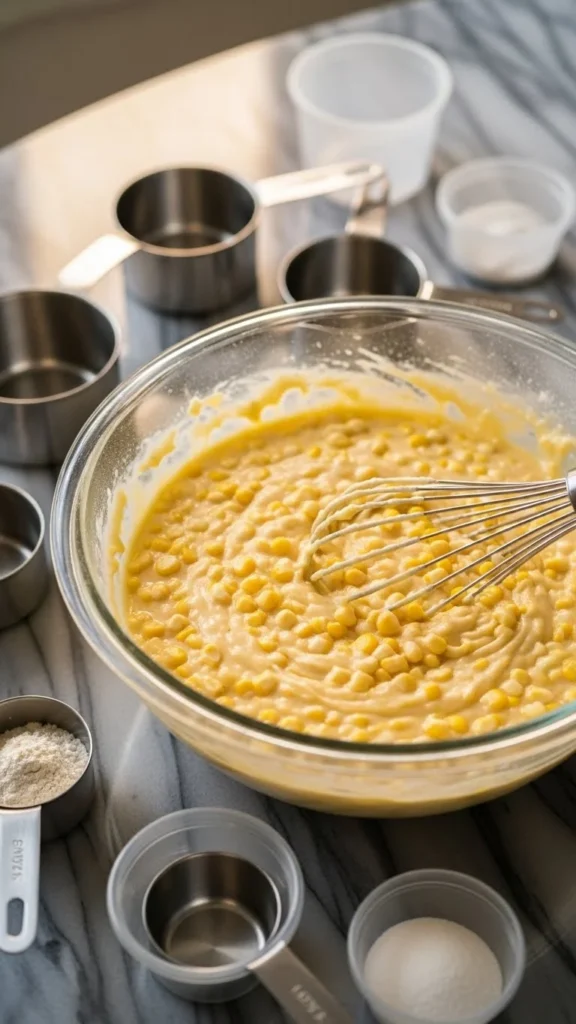
- Creamed corn
- Shredded cheddar
- Diced jalapeños
- Honey
Creamed corn is especially powerful—it adds softness and a luscious texture without altering structure.
Bake It Like a Pro: Skillet vs. Pan
How you bake cornbread affects texture as much as the recipe itself.
1. Preheat Your Skillet
If using a cast-iron skillet (highly recommended!):
- Place it in the oven while preheating
- Add a tablespoon of butter or oil
- Pour in the batter while the skillet is hot
This creates:
- Crispy edges
- Extra moisture locked inside
- That perfect golden crust
2. Don’t Overbake
Cornbread dries out fast if left too long.
Bake at 400°F (200°C) for 18–22 minutes, depending on pan size.
It’s ready when:
- The top is lightly golden
- The edges pull away
- A toothpick comes out with a few moist crumbs (not bone-dry!)
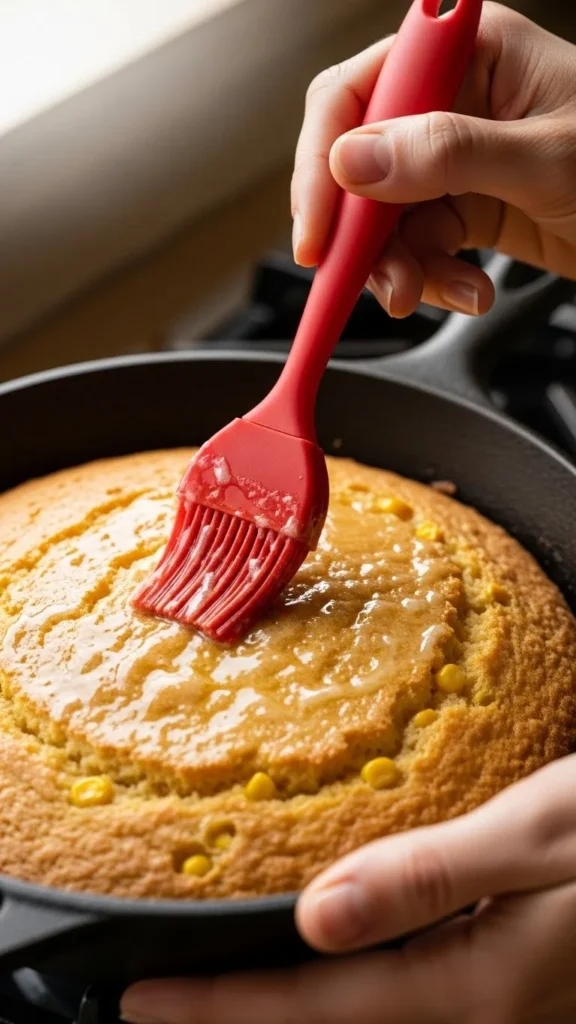
3. Brush With Butter While Hot
As soon as it comes out of the oven, brush the top with melted butter.
This adds:
- Shine
- Flavor
- Extra moisture
Storage Tips That Keep Your Cornbread Moist
Even the softest cornbread can dry out if stored incorrectly.
1. Wrap It While Still Slightly Warm
This helps trap steam, keeping the crumb tender.
2. Store in an Airtight Container
Cornbread stays moist for:
- 2 days at room temperature
- 5–6 days refrigerated
3. Freeze for Long-Term Freshness
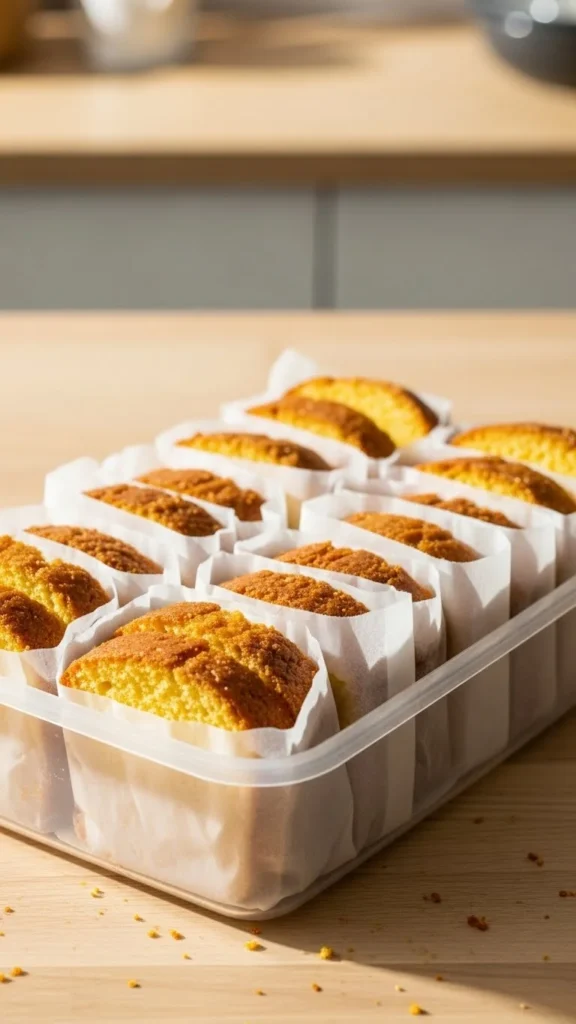
Wrap slices individually and freeze.
Reheat in a warm oven with a dab of butter—good as new!
Final Takeaway
Moist, buttery cornbread isn’t about luck—it’s about using the right ingredients, treating the batter gently, and baking with intention. Once you master these steps, you’ll never deal with dry, crumbly cornbread again.
Save this recipe for later and enjoy perfect cornbread every time! 🍯🧈

Leave a Reply