

Buddha bowls are one of those meals that look impressive but feel totally doable once you understand the formula. They’re colorful. They’re filling. And they work for busy days when you want something wholesome without a long cooking session.
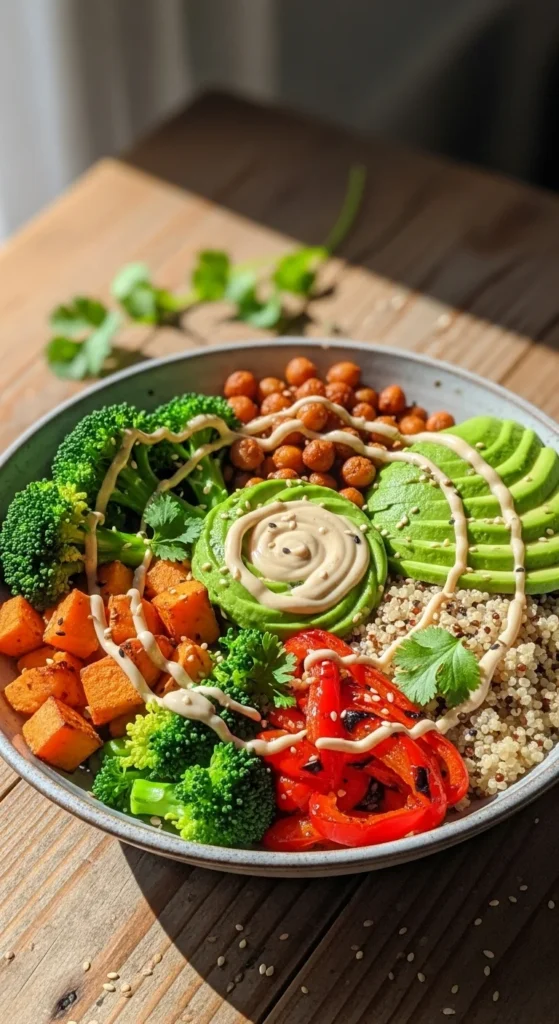
The real secret is balance. A good bowl mixes texture, color, and taste so every bite feels satisfying. This guide breaks it down step by step, using simple ingredients and easy prep you can repeat all week.
What Makes a Buddha Bowl Work
A Buddha bowl isn’t about rules. It’s about building layers that work well together.
Most bowls follow a simple structure:
- A hearty base
- A protein
- Cooked vegetables
- Raw or lightly prepared toppings
- A sauce that ties it all together
You don’t have to cook everything from scratch. Leftovers work great. Store-bought shortcuts help too.
Think contrast. Warm and cool. Soft and crunchy. Mild and bold.
Once you get this framework, you can mix and match based on what’s already in your kitchen.
Choose a Filling Base
The base gives your bowl structure and keeps it satisfying.
Popular options include:
- Brown rice
- Quinoa
- Farro
- Couscous
- Cauliflower rice
Cook your grains ahead of time if possible. They keep well in the fridge and make bowl-building fast.
Budget-friendly tip:
- Cook a large batch once and use it for several meals.
- Plain grains work best so other flavors stand out.
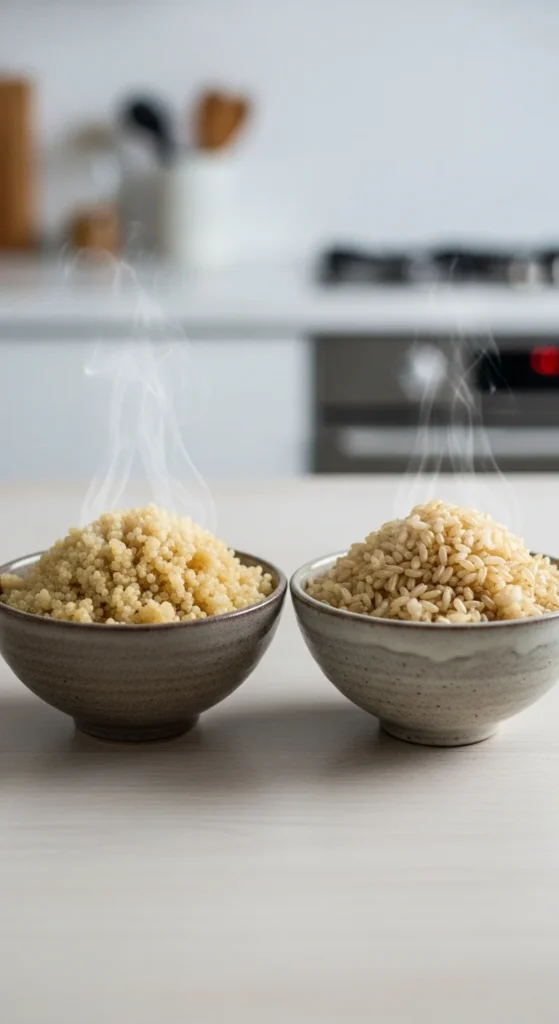
Use about one cup of cooked grain per bowl. That’s usually enough without feeling heavy.
Add Simple Protein Options
Protein makes the bowl feel complete. It also keeps you full longer.
Easy choices:
- Chickpeas or lentils
- Black beans
- Tofu or tempeh
- Hard-boiled eggs
- Leftover roasted chicken or fish
If using beans, rinse and season them lightly. A pinch of salt and spices goes a long way.
For tofu:
- Pat it dry.
- Cube it.
- Pan-cook with oil until lightly golden.
No complicated marinades required. Simple seasoning works just fine.
Build Flavor With Cooked Vegetables
Cooked vegetables add warmth and depth.
Great options include:
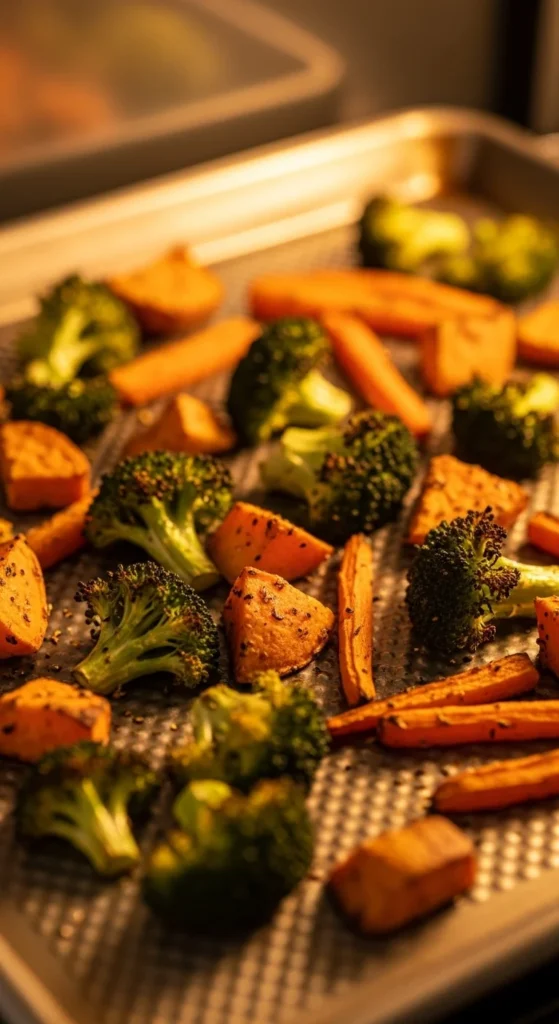
- Roasted sweet potatoes
- Zucchini or squash
- Bell peppers
- Broccoli or cauliflower
- Carrots
Toss vegetables with oil and salt. Roast until tender with lightly browned edges.
Shortcut idea:
- Use frozen vegetables when short on time.
- Pan-cook them with a little oil until heated through.
Use one or two cooked vegetables per bowl. Too many can crowd the flavors.
Balance With Raw and Crunchy Toppings
This is where texture shines.
Add a small amount of something raw or crisp:
- Shredded cabbage
- Sliced cucumber
- Cherry tomatoes
- Radishes
- Greens like spinach or arugula
Crunchy extras:
- Nuts or seeds
- Toasted chickpeas
- Croutons
A little crunch makes every bite more interesting. Keep portions small so the bowl stays balanced.
Make a Simple Sauce That Pulls It Together
Sauce is what makes the bowl feel complete. You don’t need anything fancy.
Easy sauce ideas:
- Yogurt with lemon and garlic
- Tahini with water and salt
- Olive oil and vinegar
- Peanut butter with soy sauce and water
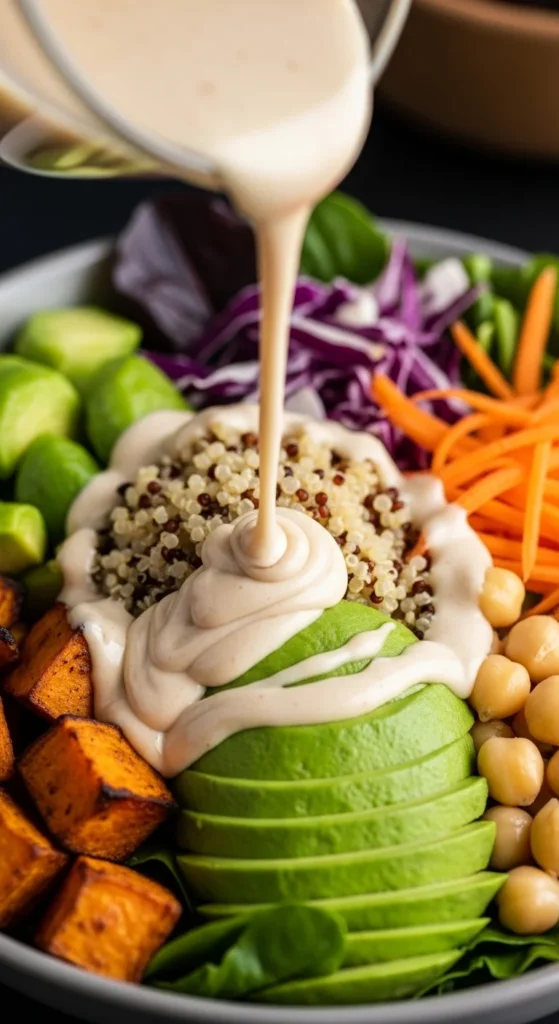
Aim for a sauce that adds moisture and contrast. Use two or three tablespoons per bowl.
Make sauce once and store it for a few days. It saves time and keeps meals consistent.
Assemble Like a Pro
Assembly matters more than you think.
Start with the base. Add protein next. Place vegetables in small sections instead of mixing everything together. Finish with toppings and sauce.
This keeps flavors distinct and makes the bowl look appealing.
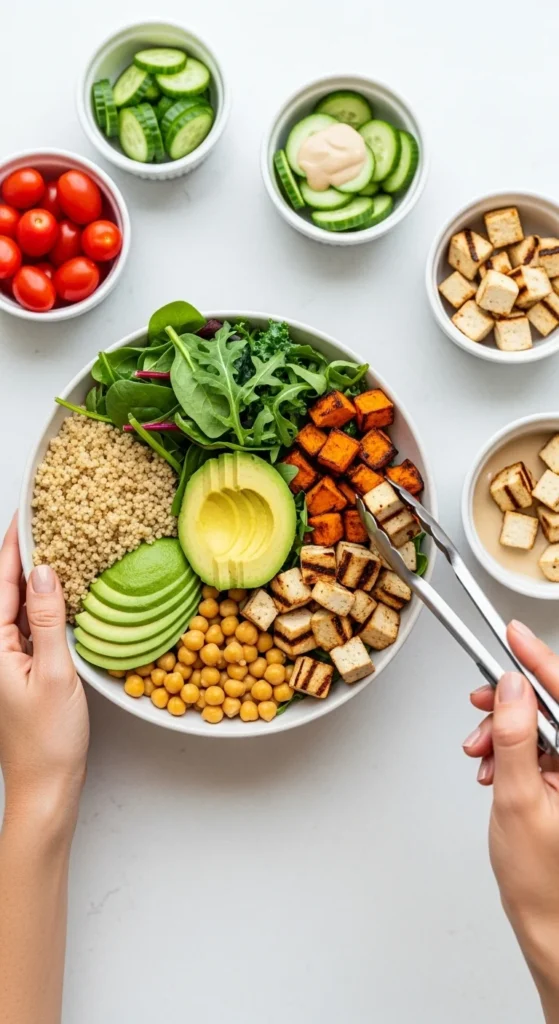
Eat it mixed or section by section. Both work.
Easy Flavor Pairing Ideas
If you’re stuck, try these combos:
- Quinoa, chickpeas, roasted carrots, cucumber, yogurt sauce
- Brown rice, tofu, broccoli, cabbage, peanut sauce
- Farro, lentils, sweet potato, greens, tahini drizzle
These combos rely on pantry staples and basic prep.
Final Takeaway
Healthy Buddha bowls don’t require special ingredients or long prep. They come together by layering simple foods with intention. Once you learn the balance, you can build endless combinations from what you already have.
Save this guide for later and start building bowls that feel good and taste even better. 🥗

Leave a Reply