

Guacamole is one of those dishes everyone loves, yet it has one frustrating flaw. You make it, set it out, and minutes later the color starts to change. That dull brown layer can ruin the look, even if the flavor is still good. The secret to guacamole that stays green longer isn’t fancy tricks or extra ingredients. It’s about smart prep, balance, and storage.
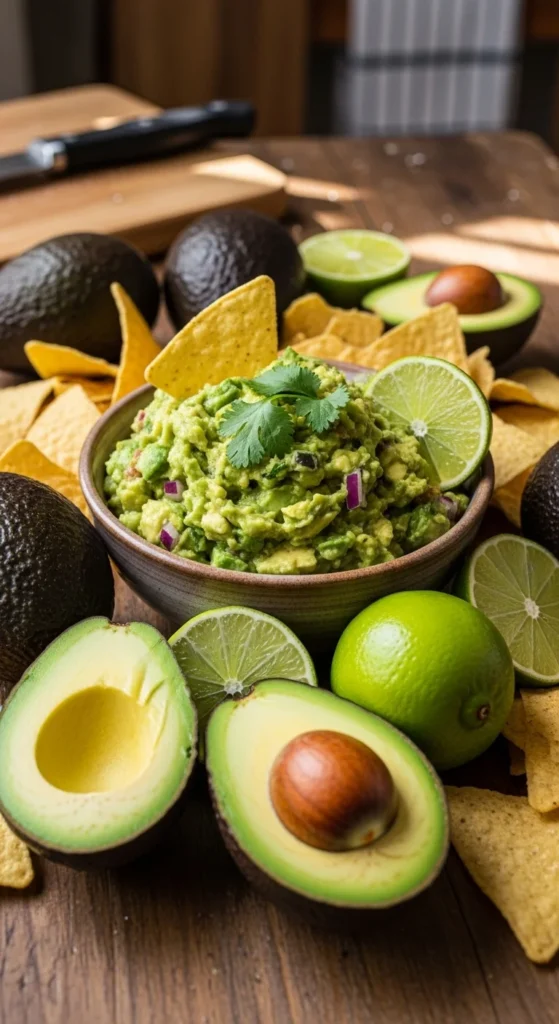
This guide walks you through simple steps to make guacamole that keeps its bright color while tasting bold and balanced. It works for parties, meal prep, or quick snacks.
Start With the Right Avocados
Everything begins with the avocados. If they’re not right, nothing else matters.
Choose avocados that:
- Yield gently when pressed
- Feel heavy for their size
- Have dark, even skin
Avoid avocados with large soft spots or loose skin. Those tend to brown faster once opened.
When cutting:
- Slice lengthwise around the pit
- Twist gently to separate
- Remove the pit with a spoon, not a knife
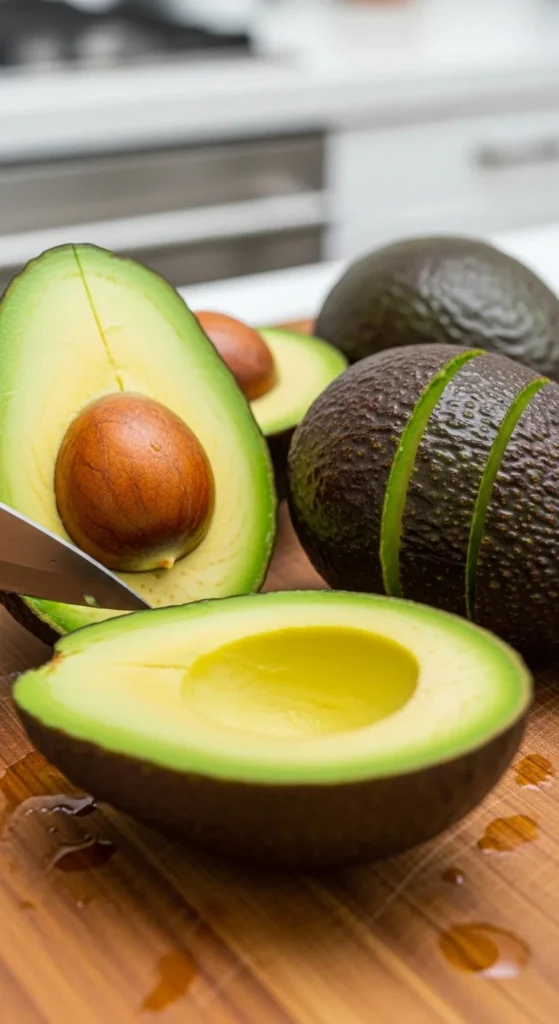
If you’re not using all the avocados at once, leave the pit in the unused half and wrap it tightly.
Use Acid Early and Correctly
Acid is the most important tool for slowing browning.
Lime juice works best, but lemon juice also helps. Add it as soon as the avocados are mashed. Waiting too long gives oxidation a head start.
Tips for using acid:
- Add a little at a time
- Taste as you go
- Aim for brightness, not sourness
The acid reacts with the avocado surface and slows the color change. It also keeps the flavor lively without overpowering it.
Mash With Care, Not Force
How you mash affects texture and color.
Use:
- A fork or potato masher
- Gentle pressure
- Short strokes
Over-mashing releases more air into the mixture, which speeds up browning. A slightly chunky texture holds color better and feels more satisfying when eaten.
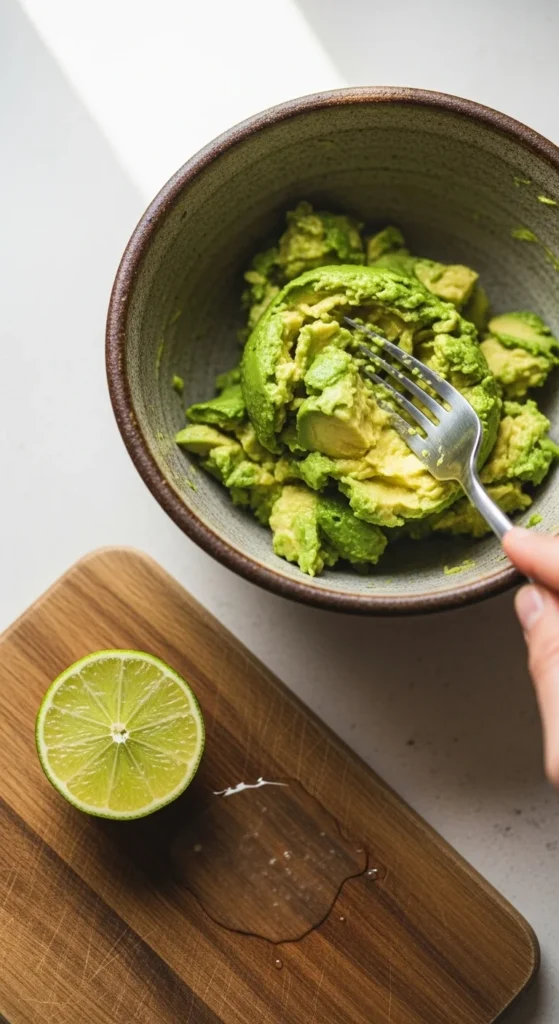
Stop mashing once most chunks are broken down. You don’t want a paste.
Add Ingredients in the Right Order
Timing matters when mixing guacamole.
Best order:
- Avocados
- Lime or lemon juice
- Salt
- Onion
- Cilantro
- Chili or jalapeño
Salt draws out moisture and improves flavor. Add it early so it blends evenly.
Onions and chilies should be finely chopped. Large pieces release water and can dull the color over time.
Skip Watery Add-Ins
Tomatoes are popular, but they shorten guacamole’s lifespan.
If you use tomatoes:
- Remove seeds and pulp
- Dice finely
- Add just before serving
Watery ingredients speed up discoloration and change texture. If you’re making guacamole ahead of time, leave tomatoes out and stir them in later.
Use a Smart Storage Method
Storage is where most people go wrong.
Best method:
- Smooth the surface flat
- Press plastic wrap directly onto the guacamole
- Seal tightly
Air is the enemy. The wrap should touch every part of the surface.
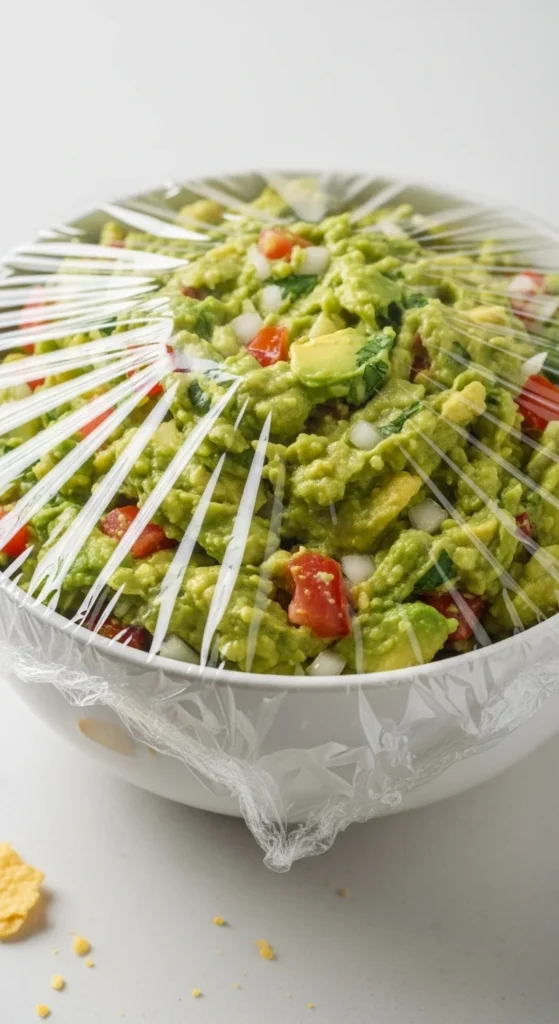
Another option is a thin layer of lime juice or water on top. Pour it off and stir before serving.
Keep the Pit or Skip It?
The pit helps only where it touches. It doesn’t protect the entire bowl.
If you’re storing a small portion:
- Place the pit in the center
- Combine with plastic wrap
For larger batches, focus on air control instead. That works better than relying on the pit alone.
How Long Homemade Guacamole Stays Green
With proper prep and storage:
- Room temperature: about 2 hours
- Refrigerated: up to 24 hours
Color may darken slightly on top, but the layer underneath stays green. Stir gently to refresh before serving.
Avoid freezing. The texture turns watery and grainy after thawing.
Quick Flavor Boosts That Don’t Affect Color
If you want extra flavor without harming color:
- Ground cumin
- Garlic powder
- Finely grated garlic
- A pinch of smoked paprika
Add small amounts. These blend well and don’t introduce extra moisture.
Final Takeaway
Guacamole that stays green longer comes down to timing, acid, and air control. Use ripe avocados, add lime early, mash gently, and store it properly. These simple steps keep your guacamole looking just as good as it tastes.
Save this recipe for later and enjoy bright, green guacamole every time. 🥑

Leave a Reply