

Some nights, cooking feels like the last thing you want to deal with. Too many pans. Too many steps. Too much cleanup. That’s where one-pot meals quietly save the day. They simplify everything while still giving you a filling, home-cooked dinner that feels worth the effort.
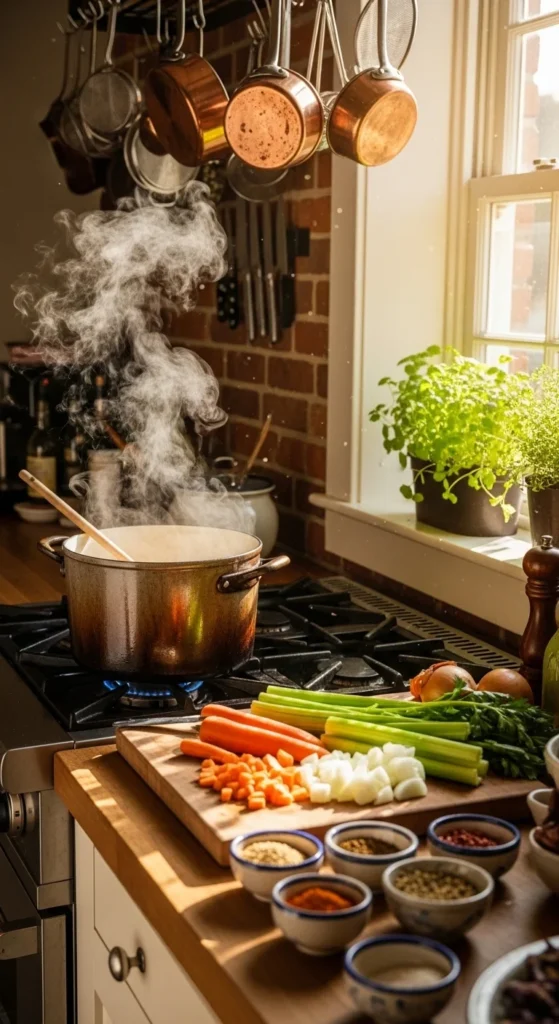
One-pot cooking is not about shortcuts. It’s about smarter choices. When everything cooks together, flavors deepen, dishes feel comforting, and cleanup stays minimal. Once you learn the rhythm, these meals become second nature.
Why One-Pot Meals Work So Well
One-pot meals shine because they remove friction from cooking. You prep once, cook once, and clean once.
Here’s why they work:
- Fewer dishes to wash
- Ingredients cook together for richer taste
- Easy to adjust based on what you have
- Great for batch cooking
They also reduce decision fatigue. Instead of planning side dishes, everything lands in one pot and finishes together.
This style of cooking suits busy weeknights, small kitchens, and anyone who wants less mess without sacrificing comfort.
Choose the Right Pot From the Start
Your pot matters more than fancy tools. A solid, heavy-bottomed pot helps food cook evenly.
Good options include:
- Dutch ovens
- Deep skillets with lids
- Stockpots
- Large sauté pans
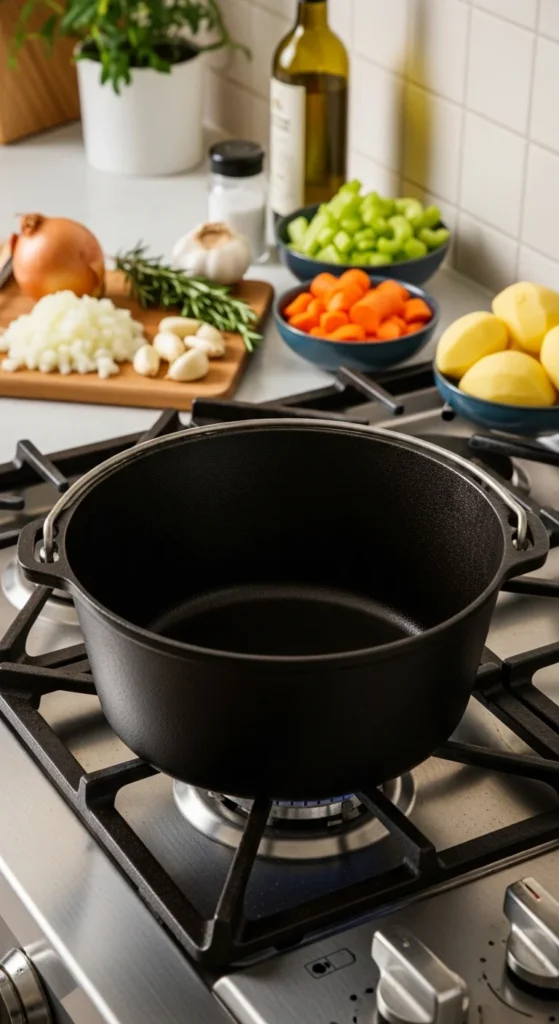
If your pot has a lid, even better. Trapped steam helps grains soften and proteins cook evenly. If not, foil works in a pinch.
Stick to one pot that feels comfortable to stir and carry. You’ll reach for it often.
Build Flavor in Simple Layers
One-pot meals work best when flavors are added in stages. This keeps food from tasting flat.
Start with:
- Oil or butter
- Onion or garlic
- Basic spices
Cook these first until fragrant. This step creates the base that carries the rest of the dish.
Next, add proteins like chicken, beans, or lentils. Let them sit briefly before stirring. That contact builds deeper flavor.
Vegetables and liquids come last. Once everything is in, reduce stirring and let the pot do its job.
Balance Liquids and Solids
Getting the liquid amount right makes or breaks a one-pot meal.
Too much liquid leads to soup when you wanted stew. Too little risks burning.
General guidelines:
- Rice absorbs about double its volume in liquid
- Pasta needs enough liquid to move freely
- Beans and grains expand as they cook
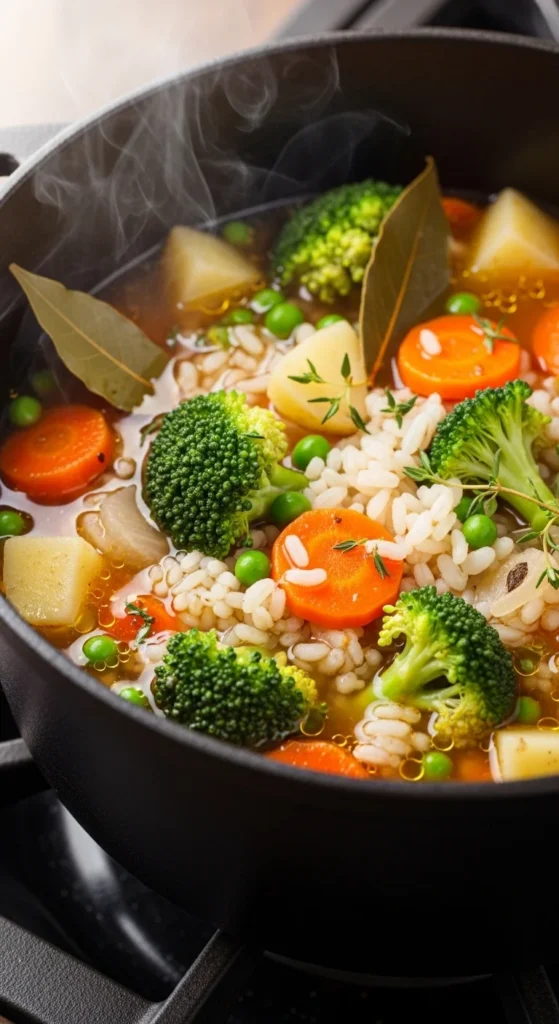
When unsure, start with less liquid. You can always add more during cooking.
Keep the lid on as much as possible. Lifting it too often releases heat and slows cooking.
Pick Ingredients That Cook at Similar Speeds
This is where stress stays low. Ingredients that finish around the same time keep the meal smooth.
Good combinations:
- Chicken thighs and root vegetables
- Lentils and chopped vegetables
- Rice and diced chicken
- Pasta and quick-cooking vegetables
If something cooks faster, add it later. Leafy greens, for example, only need a few minutes at the end.
This approach keeps textures right without extra steps.
Simple One-Pot Meal Ideas to Try
Once you understand the formula, ideas come easily.
Try combinations like:
- Chicken, rice, onions, and spices
- Pasta, tomatoes, garlic, and beans
- Lentils, carrots, and simple seasoning
- Potatoes, sausage, and vegetables
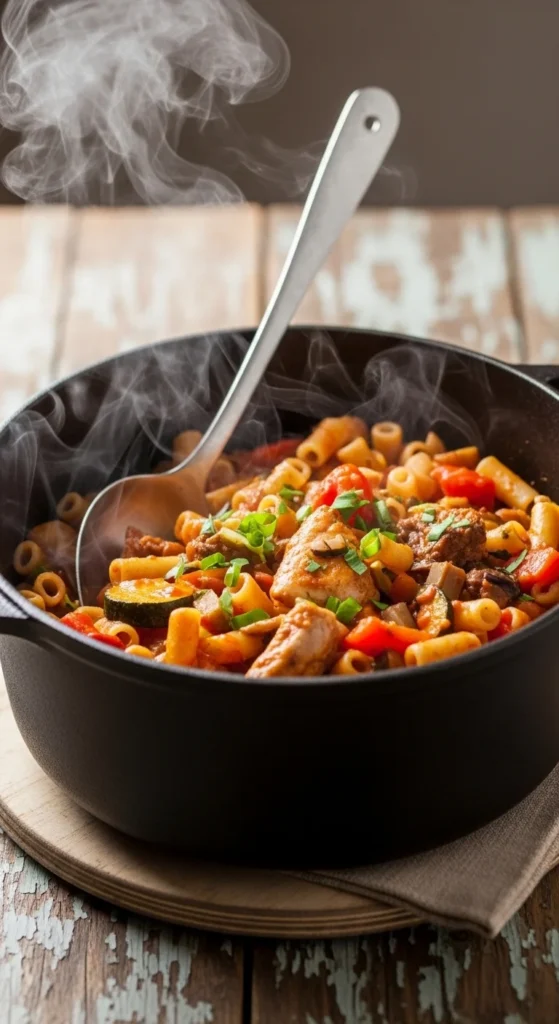
Think in groups. One protein. One starch. A few vegetables. One liquid. That’s it.
Use leftovers creatively. Roasted vegetables from yesterday fit perfectly into today’s pot.
Tips for Less Cleanup and Better Results
Small habits make one-pot cooking even easier.
Helpful tips:
- Prep everything before turning on heat
- Stir gently to avoid sticking
- Taste near the end, not the start
- Let food rest before serving
Resting allows flavors to settle and thickens sauces naturally.
If food sticks slightly, add a splash of water and scrape gently. Most stuck bits loosen easily.
Make One-Pot Meals Part of Your Routine
The more often you cook this way, the faster it feels. You stop measuring precisely and start cooking by feel.
Keep your pantry stocked with:
- Rice or pasta
- Canned beans
- Broth or stock
- Basic spices
With these on hand, dinner becomes a calm process instead of a chore.
Final Takeaway
One-pot meals bring calm back into cooking. They save time, cut down dishes, and turn simple ingredients into something comforting and satisfying. Once you trust the method, you’ll find yourself cooking more and stressing less.
Save this guide for later and let your next meal cook itself—one pot at a time.
ChatGPT can make mistakes. Check important info.
Leave a Reply