

Rice looks easy, yet it’s one of the most common kitchen struggles. One day it turns mushy. Another day it comes out dry or half-cooked. The good news is that perfect rice doesn’t depend on fancy tools or guesswork. It comes from a few simple habits you can repeat every time.
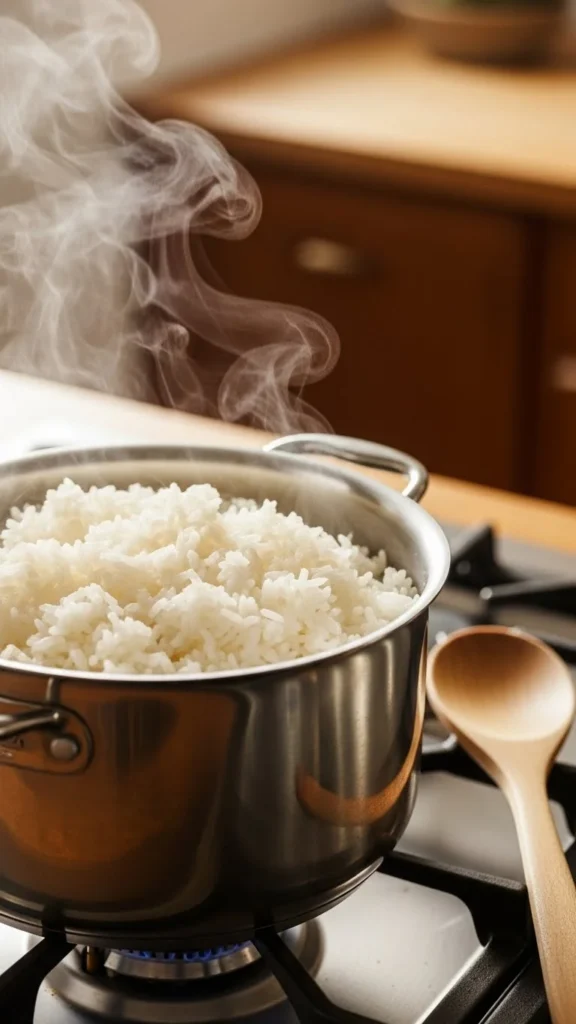
Once you learn these basics, rice becomes a dependable side you can make without stress. Let’s walk through the process step by step.
Use the Right Rice-to-Water Ratio
Water control is the foundation of good rice. Too much water leads to soggy grains. Too little leaves rice undercooked.
Reliable ratios:
- White long-grain rice: 1 cup rice to 2 cups water
- Jasmine rice: 1 cup rice to 1¾ cups water
- Basmati rice: 1 cup rice to 1½ cups water
- Brown rice: 1 cup rice to 2½ cups water
Always measure both rice and water using the same cup. Avoid estimating by eye. Once you find a ratio that works well with your pot and stove, stick with it for consistent results.
Rinse the Rice Before Cooking
Rinsing rice removes excess starch that causes clumping. This small step improves texture right away.
How to rinse:
- Place rice in a bowl or fine strainer
- Cover with cold water
- Swirl gently with your fingers
- Drain and repeat until water looks mostly clear
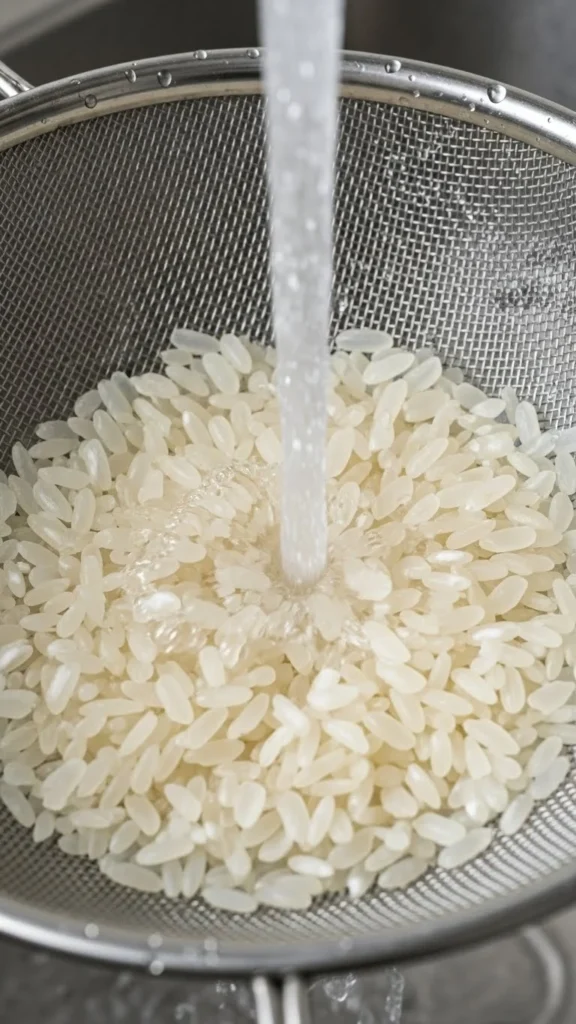
This takes less than a minute but helps rice cook up lighter and more separate.
Choose a Good Pot and Lid
A sturdy pot makes a real difference. Thin cookware heats unevenly and often burns the bottom.
What works best:
- Heavy-bottomed saucepan
- Tight-fitting lid
- Enough space for rice to expand
Once the lid goes on, keep it there. Steam trapped inside the pot helps rice cook evenly.
Bring to a Boil, Then Lower the Heat
Start strong, then slow things down.
Basic method:
- Add rice, water, and salt to the pot
- Bring to a gentle boil uncovered
- Stir once
- Cover with lid
- Reduce heat to low
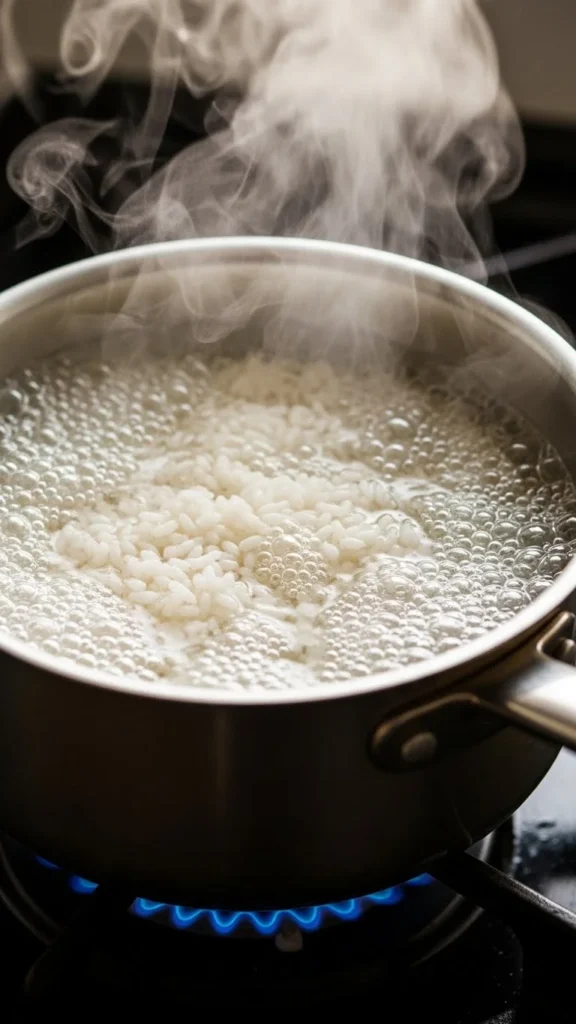
[Image Prompt] Rice and water gently boiling in a saucepan just before being covered, steam visible above the surface.
After covering, avoid stirring. Stirring releases starch and breaks grains.
Let the Rice Cook Without Disturbing It
Most white rice cooks in about 15 to 18 minutes. Brown rice takes longer, closer to 40 minutes.
While it cooks:
- Keep heat low and steady
- Do not lift the lid
- Do not stir
You’ll notice small steam holes on the surface when water absorbs fully. If you hear crackling sounds, lower the heat slightly.
Rest the Rice After Cooking
Resting rice helps balance moisture inside the pot.
Once cooking time ends:
- Remove the pot from heat
- Keep the lid on
- Let rice sit for 5 to 10 minutes
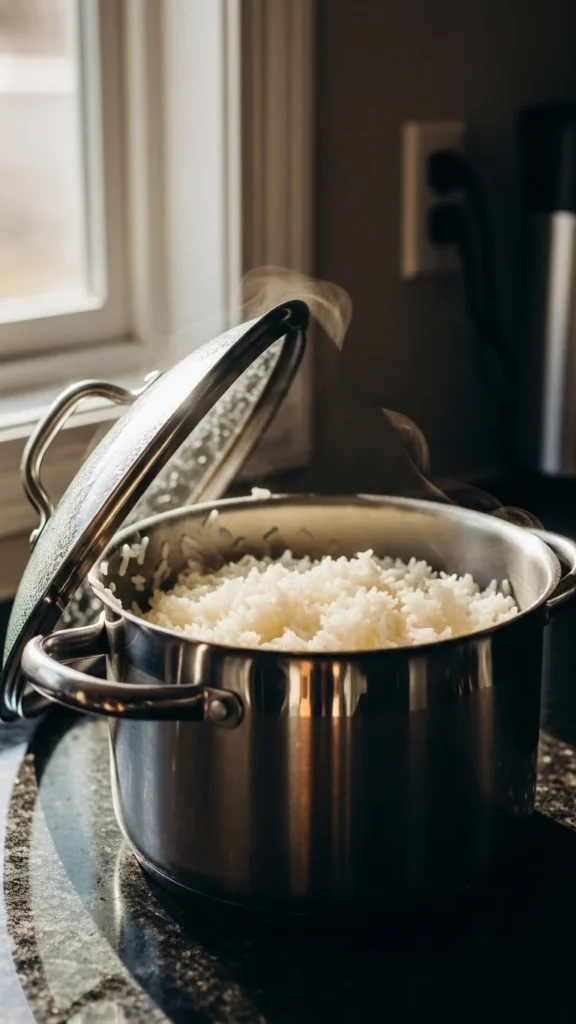
[Image Prompt] Cooked rice resting in a covered pot on a kitchen counter, soft daylight coming through a nearby window.
This step prevents wet bottoms and dry tops.
Fluff Gently for Light, Separate Grains
Fluffing separates rice without smashing it.
Best way to fluff:
- Use a fork instead of a spoon
- Lift grains gently
- Work from the edges inward
Avoid stirring in circles or pressing down. Gentle motions keep rice airy.
Adjust for Different Types of Rice
Each variety cooks a little differently, but the same method applies.
Quick notes:
- Sticky rice: Rinse lightly and avoid heavy fluffing
- Sushi rice: Rinse well and season after cooking
- Brown rice: Use more water and longer simmer time
Once you master one type, switching becomes easier.
Fix Common Rice Problems
Mistakes happen, but many are easy to fix.
If rice turns out:
- Too wet: Spread it on a tray to release steam
- Too dry: Sprinkle water, cover, and steam briefly
- Burned on the bottom: Transfer the top layer right away
Small adjustments can save most batches.
Final Takeaway
Perfect rice comes from simple steps done consistently. Measure carefully. Rinse the grains. Control the heat. Let the rice rest before fluffing. With this routine, rice stops being unpredictable and starts working every time.
Save this guide for later and come back whenever rice is on the menu. Once you get the rhythm, perfect rice becomes part of your everyday cooking.

Leave a Reply