

Stir fry is one of the fastest ways to get dinner on the table, but it often falls flat when the flavors don’t come together. The good news is that big flavor doesn’t come from complicated sauces or special equipment. It comes from timing, heat, and a few smart ingredient choices.
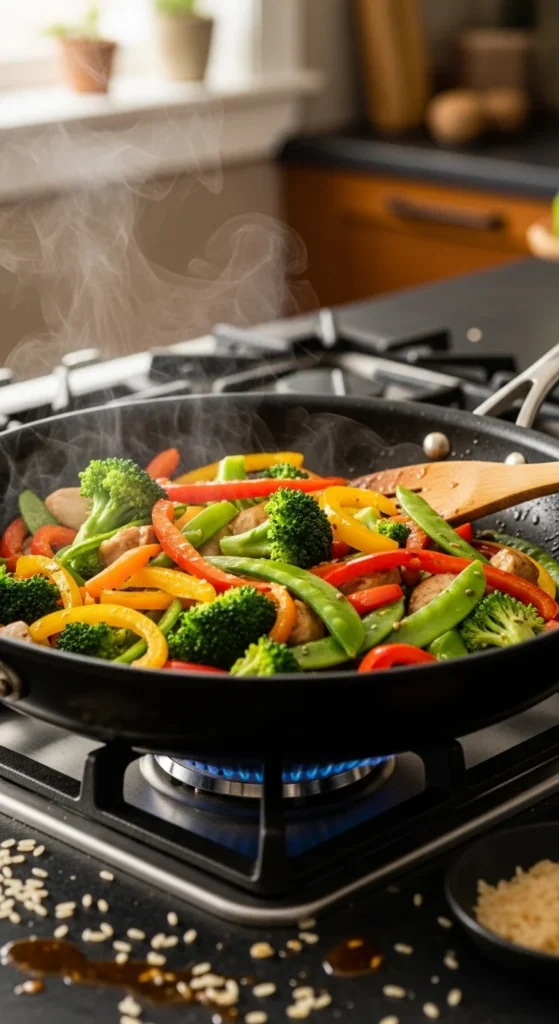
This guide shows you how to make a simple stir fry that tastes bold and satisfying every time. It works for weeknights, small kitchens, and busy schedules. Once you learn the rhythm, stir fry becomes a go-to meal you can repeat without getting bored.
Understand the Stir Fry Formula
A good stir fry follows a simple structure. When you respect that structure, flavor falls into place.
Every stir fry includes:
- Protein
- Vegetables
- Aromatics
- Sauce
- High heat
The key is cooking each part at the right moment. Tossing everything in at once leads to soggy vegetables and uneven flavor.
Think fast cooking. Think hot pan. Think simple steps done in the right order.
Once you learn this flow, you can mix ingredients freely based on what’s in your fridge.
Prep Everything Before You Start
Stir fry moves fast. There’s no time to chop once the pan is hot.
Before cooking:
- Slice protein into bite-size pieces
- Cut vegetables into similar sizes
- Mix sauce in a small bowl
Keep everything within arm’s reach. This avoids overcooking and stress.
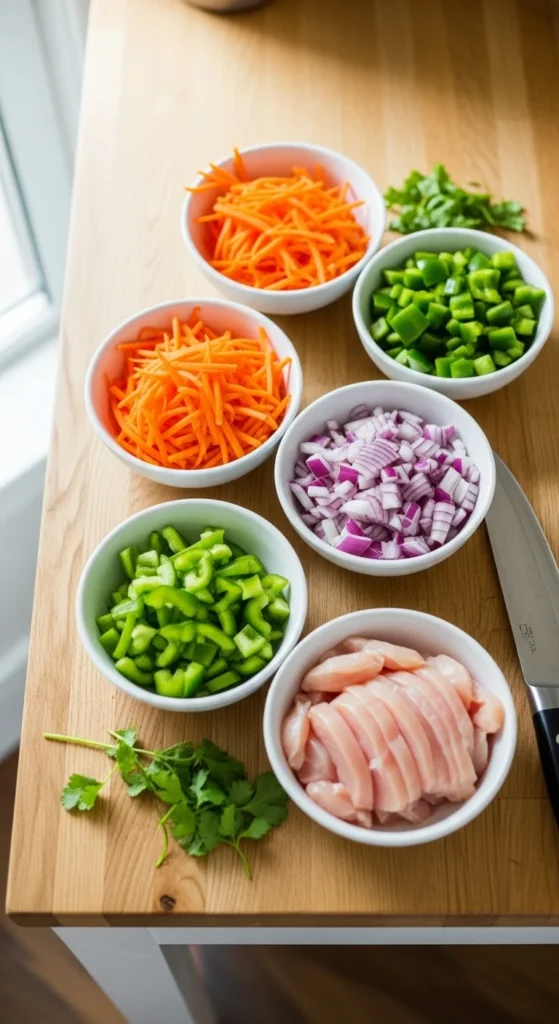
Helpful prep tips:
- Softer vegetables cook faster, so cut them larger
- Hard vegetables cook slower, so slice them thinner
- Dry ingredients well to avoid steaming
This small step makes a huge difference in the final texture.
Choose Ingredients That Cook Well Together
Not all vegetables behave the same in a hot pan.
Great stir fry vegetables:
- Bell peppers
- Broccoli
- Snow peas
- Carrots
- Mushrooms
- Zucchini
Protein options:
- Chicken
- Beef
- Shrimp
- Tofu
- Eggs
Avoid overcrowding. Too much food drops the pan temperature and leads to limp results.
If cooking a large batch, work in stages. Cook protein first, remove it, then finish the vegetables.
Build Flavor With Aromatics
Aromatics are where flavor starts to grow.
Common choices:
- Garlic
- Ginger
- Green onions
- Chili flakes
Add aromatics once the oil is hot but before vegetables go in.
Stir quickly. These ingredients cook fast and can burn if ignored.
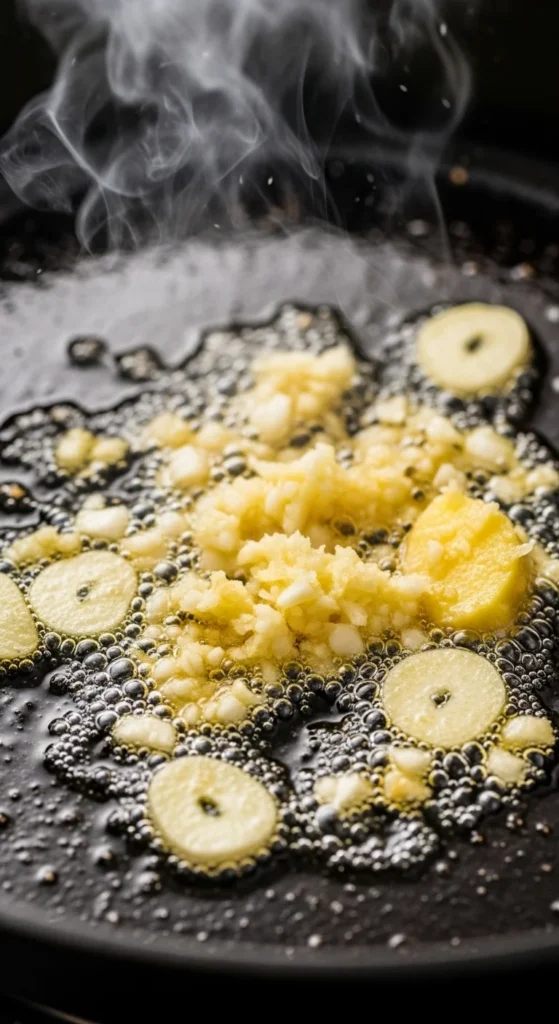
Even a small amount adds depth. You don’t need much to make a stir fry taste rich.
Use High Heat and Keep Things Moving
Heat is everything in stir fry cooking.
Use:
- A wide pan or wok
- Medium-high to high heat
- A neutral oil with a high smoke point
Once food hits the pan:
- Spread it out
- Let it sit briefly
- Stir only when browning begins
Constant stirring prevents browning. A short pause lets flavor develop.
This balance gives you crisp edges and tender centers.
Keep the Sauce Simple but Bold
Stir fry sauce doesn’t need long ingredient lists.
Basic sauce idea:
- Soy sauce
- A little water or broth
- A splash of vinegar or citrus
- Optional honey or sugar
Mix sauce before cooking so it’s ready to pour.
Add sauce at the end. Toss quickly. It should coat, not drown, the ingredients.
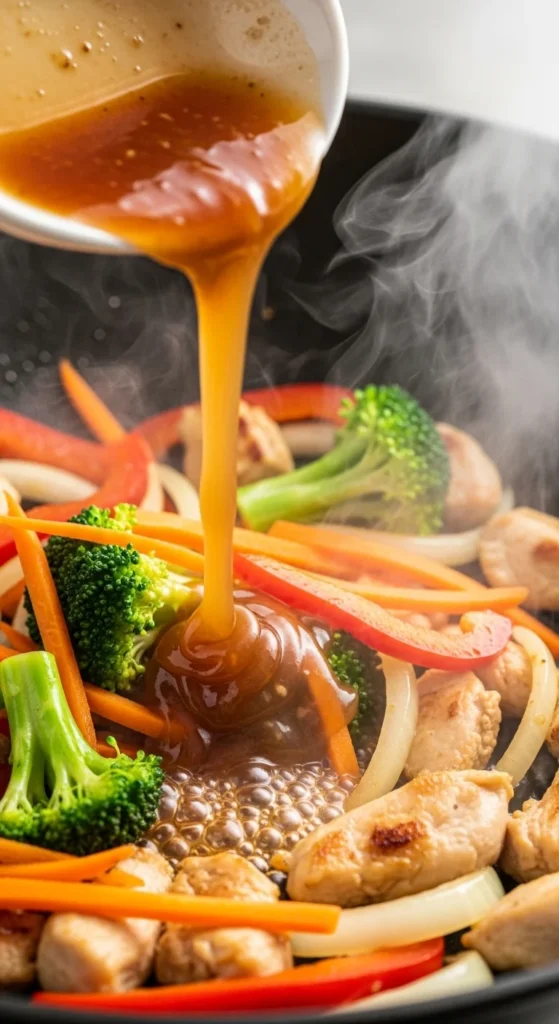
If sauce pools at the bottom, you added too much. Use just enough to glaze.
Finish Strong With Small Touches
Final touches add contrast.
Try:
- A squeeze of lemon or lime
- Toasted sesame oil
- Chopped green onions
- Seeds or crushed peanuts
These add aroma and texture without extra cooking.
Serve immediately. Stir fry tastes best right off the heat.
Easy Stir Fry Combinations to Try
If you want quick ideas:
- Chicken, broccoli, garlic, soy-based sauce
- Beef, bell peppers, onions, ginger
- Tofu, mushrooms, snap peas, sesame finish
Use what you have. The method matters more than exact ingredients.
Final Takeaway
Simple stir fry with big flavor comes down to preparation, heat, and timing. Once you stop overthinking it, stir fry becomes one of the easiest meals to master. With the right steps, even basic ingredients turn into something satisfying and bold.
Save this guide for later and make stir fry your fastest dinner win. 🍜

Leave a Reply