

A truly soft, bakery-fresh pizza dough is the kind you can stretch with your fingertips and feel it bounce back with pillowy ease. It’s tender, silky, and full of that mellow aroma that makes homemade pizza taste better than anything from the store. And the best part? You don’t need a professional kitchen—just the right method, a few simple tricks, and a little dough-loving patience.
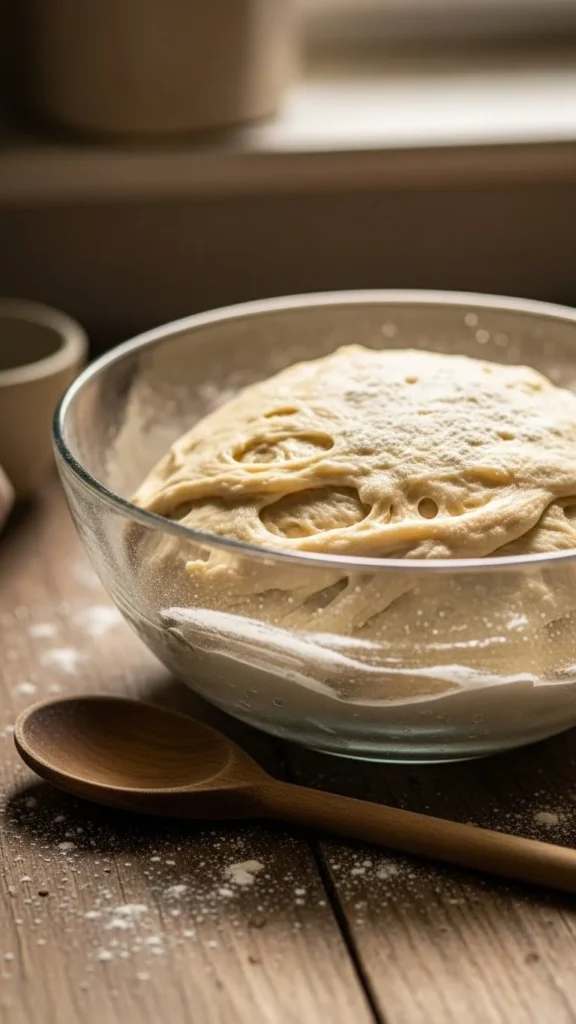
If you’ve ever felt frustrated by dough that’s too stiff, dry, crumbly, or uncooperative, this guide will show you exactly how to fix it. Let’s break it down step by step.
Understand the Ingredients That Make Dough Soft
Before you start mixing, it’s helpful to understand what makes pizza dough soft, stretchy, and tender.
1. High-Quality Flour Matters
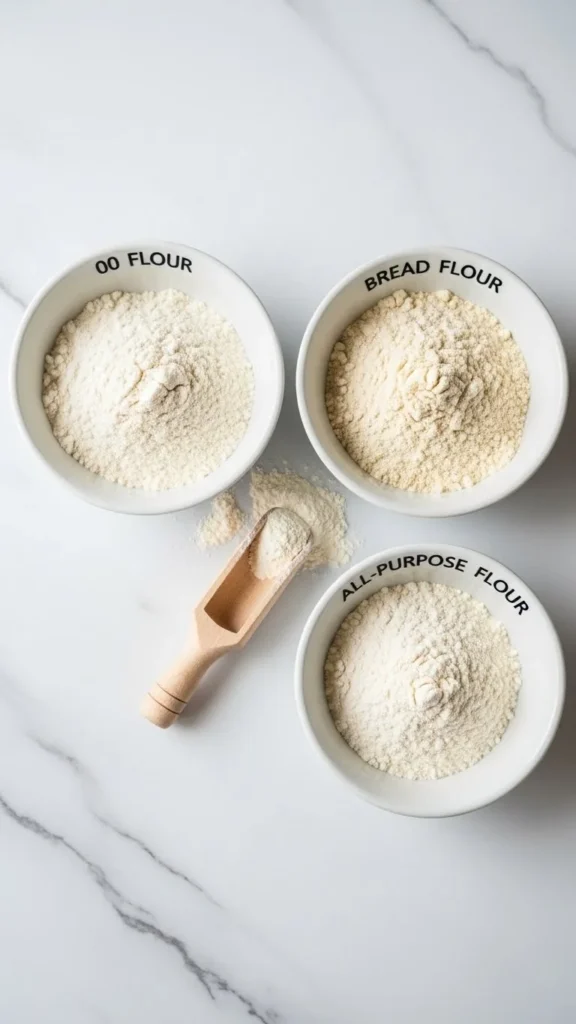
Not all flours behave the same. For extra-soft dough, reach for:
- 00 flour (finely milled and velvety)
- Bread flour (higher protein = more chew)
- All-purpose flour (good backup option)
These flours absorb water differently, but all can create a soft dough when hydrated properly.
2. Hydration Is Everything
Soft dough requires enough water. A dough that’s too dry becomes tough and hard to stretch.
Aim for 60–70% hydration, which simply means:
- For 500g of flour → use 300–350g (ml) of water.
The dough should feel slightly sticky at first—that’s your sign it will turn out soft.
3. Oil Helps Tenderize
Just 1–2 tablespoons of olive oil adds:
- Softness
- Elastic texture
- Better browning in the oven
4. The Right Amount of Yeast
Both instant yeast and active dry yeast work. Yeast helps dough relax, soften, and rise into a tender, airy texture.
Mixing the Dough: The Softness Starts Here
Step 1: Activate the Yeast (If Needed)
If using active dry yeast:
- Mix warm water (not hot!) with yeast and a pinch of sugar.
- Let it bubble for 5–8 minutes.
Instant yeast can go straight into the flour.
Step 2: Combine Ingredients
In a large bowl, mix:
- Flour
- Salt
- Yeast
- Olive oil
- Water
Stir until a shaggy dough forms—don’t worry if it looks messy.
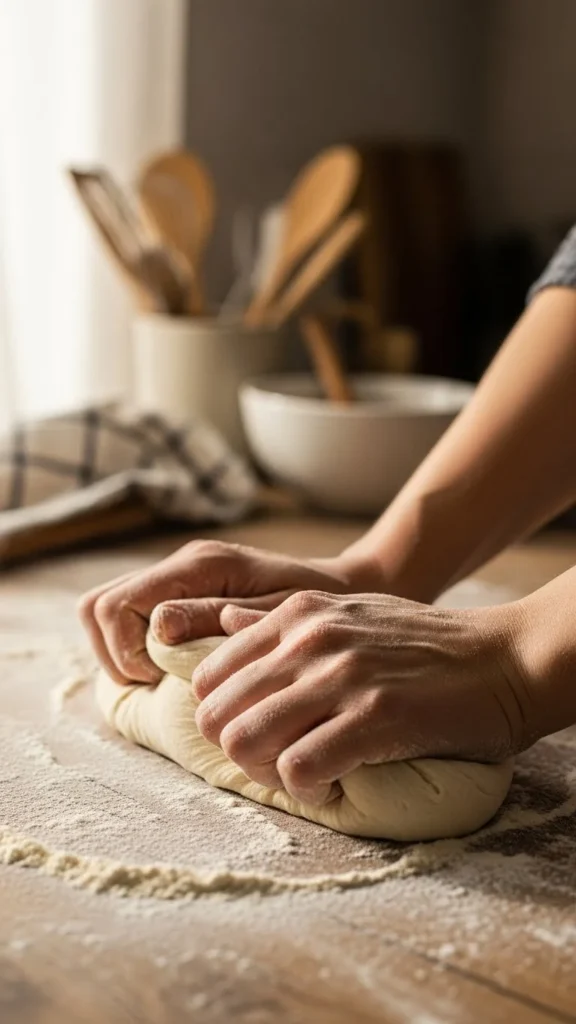
Step 3: Knead for Softness
Kneading is where the magic happens. You want the dough to feel:
- Smooth
- Elastic
- Slightly tacky
Knead for 8–10 minutes, or until the dough passes the “windowpane test” (stretch a small piece thin enough to see light through it without tearing).
Let the Dough Rest: The Secret Bakery Step
Resting transforms dough from sticky to silky.
The First Rise (Bulk Fermentation)
Place your dough in a greased bowl, cover it, and let it rise until doubled.
Why this matters:
- Gluten relaxes → dough becomes softer
- Yeast produces air bubbles → dough becomes tender
- Dough becomes easier to shape without tearing
Ideal rise time:
- Room temperature: 1–2 hours
- Fridge: 12–24 hours for even softer dough
Cold fermentation is a bakery secret: the dough becomes deeper in flavor and softer in feel.
Punch, Fold, and Rest Again
After the first rise:
- Gently deflate
- Fold the dough over a few times
- Let it rest for 20 minutes
This creates a smoother, stronger structure.
Shaping the Dough Without Tearing It
Soft dough is delicate, so handle it lightly.
Tips for Perfect Shaping
- Dust your hands with flour—not too much.
- Press from the center outward.
- Avoid using a rolling pin (it crushes the air bubbles).
- Let gravity stretch the dough by lifting from the edges.
If the dough snaps back, it just needs a few more minutes of rest.
Baking for That Bakery-Fresh Finish
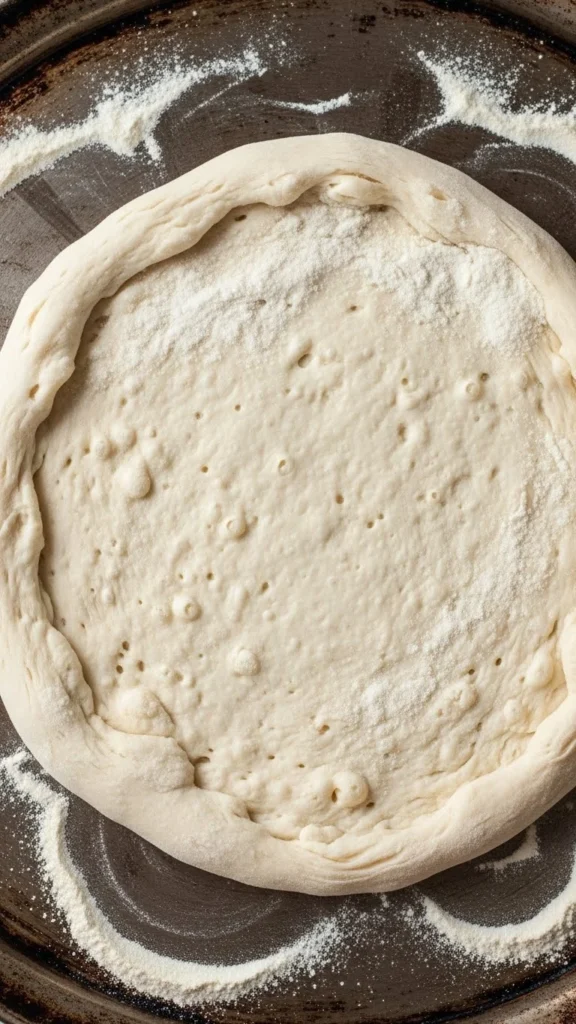
A soft dough deserves a bold bake.
1. Preheat Properly
Get your oven as hot as it can safely go—450°F to 500°F (230–260°C).
A hot oven gives you:
- Soft interior
- Puffy edges
- Slightly crisp bottom
If you have one, use:
- A pizza stone
- A steel sheet
- A cast-iron pan
These all mimic bakery ovens by creating intense bottom heat.
2. Add Your Toppings Quickly
You don’t want the dough sitting too long under sauce—it can get soggy.
3. Bake Until Perfectly Golden
Most pizzas need 8–12 minutes depending on oven heat and thickness.

Troubleshooting: If Your Dough Still Isn’t Soft
Here are quick fixes:
- Dough too tight? Add 1–2 tbsp extra water next time.
- Dough too sticky? Add a sprinkle of flour while kneading.
- Dough tastes bland? Increase salt slightly (salt enhances softness too).
- Dough isn’t rising? Your yeast may be old—always check the date.
Final Takeaway
Making bakery-soft pizza dough isn’t about fancy equipment—it’s about technique, patience, and understanding how the dough behaves. Once you master hydration, kneading, and proper rest, your homemade pizzas will turn out soft, stretchy, and undeniably delicious every time.
Save this recipe for later—and try it this weekend for the softest pizza dough you’ve ever made! 🍕

Leave a Reply